Burn Ban in Effect. All outdoor burning is prohibited in Franklin County.



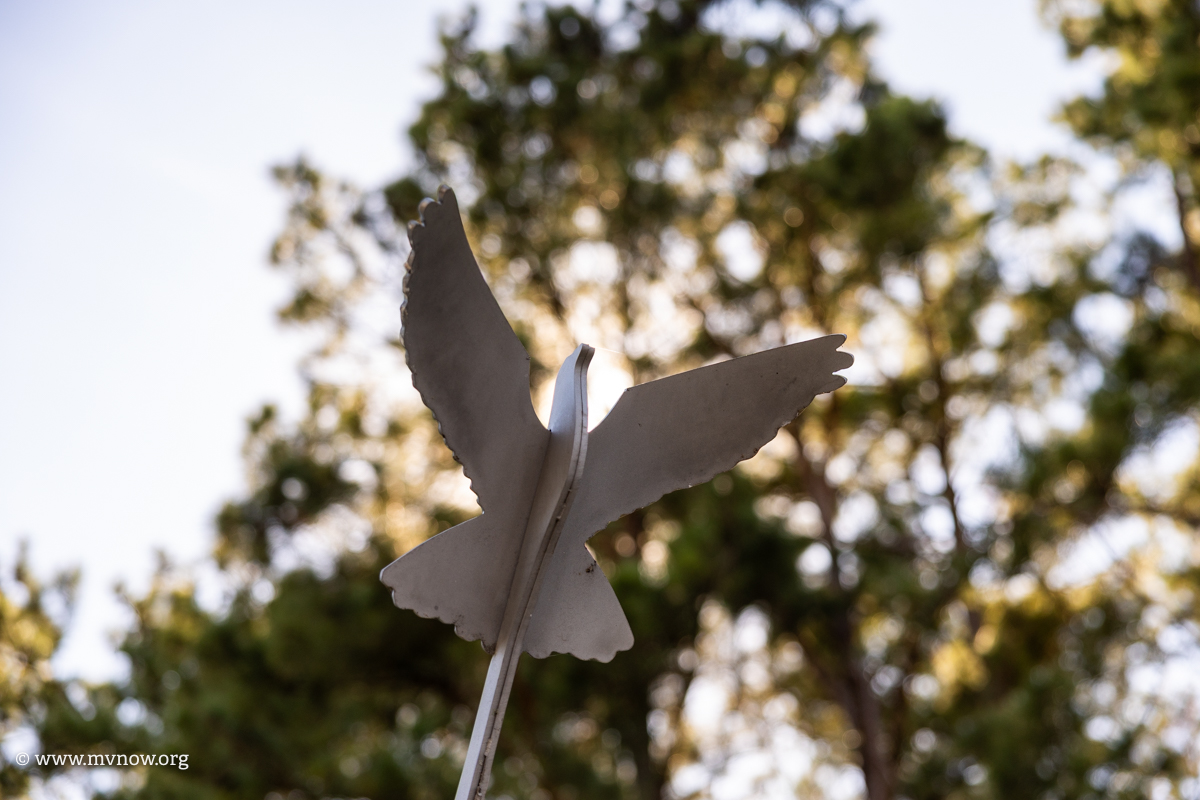
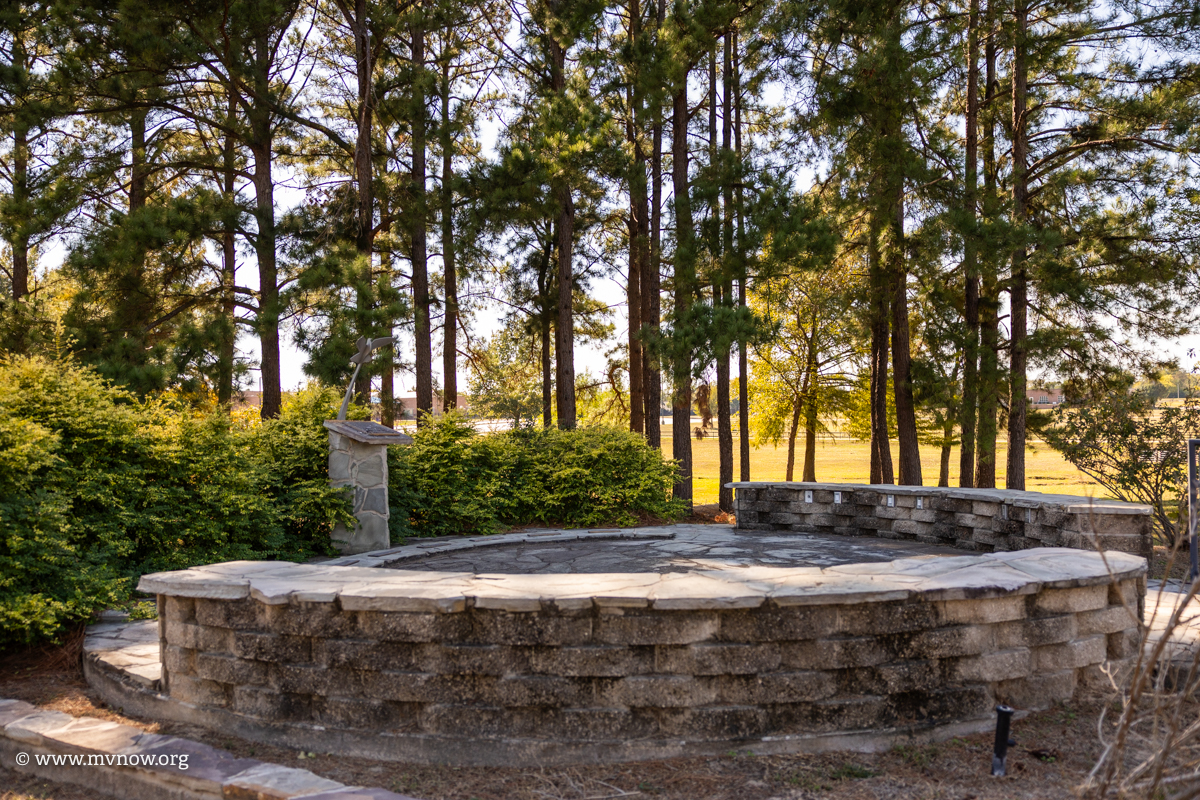
(The Mount Vernon High School Class of 1964 has always had a strong connection to September 29, 1959, perhaps the darkest day in Mount Vernon's history. Six students and two adults died that night riding a Mount Vernon school bus which collided with a tractor-trailer truck north of Sulphur Springs near Cooper. The majority of those injured were members of the Class of 1964. The following is my recollection of that night, images still as vivid as if they happened yesterday.)
We probably all have at least one hero in our lives. I have three who stand head and shoulders above all the others in my life: my dad, former Franklin County Sheriff Junior Tittle, and my junior high football coaches, Mark Boatright and Don Jones. Their paths crossed directly on a dark stretch of Highway 19, north of Sulphur Springs, Sept. 29, 1959, and what I witnessed from the three of them still resonates with me 60 years later.
Head Coach Boatright and Assistant Coach Jones coached everything, all levels, junior high through high school, and we were heading to Cooper for a junior high football match-up with the Bulldogs. It promised to be a good one, and just minutes ahead of our bus was a Mount Vernon student support bus loaded with a bunch of high-energy junior high and high school kids and two highly respected and well-loved adults to drive and chaperone. The night held great potential, but with one heartbeat and a blink of an eye, it ended in tragedy, one that brought Mount Vernon to its knees for months to come.
Boatright had me by him on the front seat, talking game strategy; Don Jones was driving our junior high football bus. The three of us must have spotted it at the same time, a wrecked school bus up ahead where the highway banked to the left and curved down and away to the right, just at the turn-off to Cooper. Jones eased our bus to the shoulder and stopped, some distance behind the wreck. A disappearing sun had started to produce soft shadows around the wrecked bus, balanced at an odd angle on the roadway embankment, facing down into the ditch. There was not a sound, yet the eerie silence was deafening, and we couldn't see much, but I remember one motorist on the scene, walking on the roadway behind the wreck. It had just happened!
With a plan of action in place, Boatright faced us calmly and with authority; he said, "Fellows, something bad has happened here, and Coach Jones and I are going in there to help. I want you all to file off this bus and sit there in that ditch, together, along that barbed wire fence. I better not hear of or see anyone trying to get to that bus! Am I clear?" Of course, we were clear, and we complied quickly.
With that, these two heroes grabbed a roll of paper towels from our bus and charged through the open rear door, the only available entrance to the wrecked bus. They saved lives in there; we've been told that many times since, while allowing their instinct and training to take over, as all heroes do.
These guys knew how to coach, but they also knew how to mold young lives. I have to be a better person for having known them.
Darkness lay over the entire area soon enough, broken only by the headlights and flashing red and blue lights from emergency responders flooding to the scene. We huddled in that ditch forever, it seemed, like young soldiers sitting in a foxhole. Sirens screamed, and echoes pierced the night from every direction. Silence had suddenly been replaced with tools and equipment buzzing and working and voices yelling commands to "do this," or for someone to "get over here and give us a hand, will you?"
Metaphorically speaking, the wrecked bus started to wake up, slipping into and out of consciousness, and mixed sounds from the inside are with me to this day. The earth underneath us smelled damp and cool, while a sharp and pungent odor, like exhaust fumes, hung in the air. Surely we were in some kind of war zone, and something incoming was about to explode in the ditch beside us.
Some along the fence row began to cry, a group of 13-14-year-olds, suddenly caught up in one of life's hard lessons: any given moment is often fragile and fleeting and hard to hold.
Some time went by while the entire process of responding to the scene became very loud and intense. I wanted to cry also, when suddenly, a flashlight high-beam swept over us, and a deep voice yelled, "Is the Tittle kid there? Is Tittle there?" I remember an officer in uniform grabbing my hand and pulling me up to the roadway.
There, running down the center stripe toward me, a silhouette in his car headlights, was my dad, arms outstretched and unmistakable in his hat and boots. Only when he bear-hugged me, on that dark highway in those very unfamiliar surroundings, with all the madness and chaos unfolding behind me, did I allow myself to cry. Until that second, neither he nor my mother knew which bus was involved.
On their way to the game, he had radioed ahead, and his fellow officers along the way took the search over to look for me.
In shock, I rode back to Mount Vernon with my parents in my dad's patrol car. Townspeople were getting news by then, and they were beginning to trickle into town, to the square and the courthouse, to support, to just be near someone, anyone, to be available throughout the night. My dad used the Sheriff's Office in the courthouse basement, and he and my mother took to the telephone and the two-way radio to receive and process information for the families affected. This lasted all night and all the next day. Six of my fellow students and the two cherished adults died in the crash, a collision with a big-rig salt hauler from Grand Saline. The injured were carried everywhere, from Dallas to Greenville, Cooper, Paris, Sulphur Springs, and elsewhere.
School was canceled for the week, and sporting events were stopped for the year. In many ways, Mount Vernon is still recovering from that fall night in 1959. It's odd: I can't remember when Mark Boatright or Don Jones left Mount Vernon, but I remember they were heroes that night. And, of course, Sheriff John Ennis (Junior) Tittle has always been a hero to me.
Sixty-seven years later, when I drive by the Cooper turnoff, my chest tightens, and my breathing is shallow, and for a few seconds a handful of 13- to 14-year-old boys are huddled with me in that ditch, along that barbed wire fence, staring into a black night with fear and uncertainty in our eyes. We've all moved on with our lives, but I am forever troubled by grief telling me to turn loose before I move on. I will die one day knowing in my heart that I was never able to completely let go of September 29, 1959, just another ordinary Tuesday in Mount Vernon - until it wasn't.