Burn Ban in Effect. All outdoor burning is prohibited in Franklin County.



Photos courtesey of Congressional Medal of Honor Society
HE WAS ONE DAY AWAY FROM BEING LISTED AS A DESERTER.
Less than eight months later, at just 17, he was standing on the White House lawn while the President placed the Medal of Honor around his neck!
In August 1942, a 14-year-old boy walked into a Marine Corps office in Norfolk, Virginia. He handed over a consent form signed by his mother.
She had never seen it.
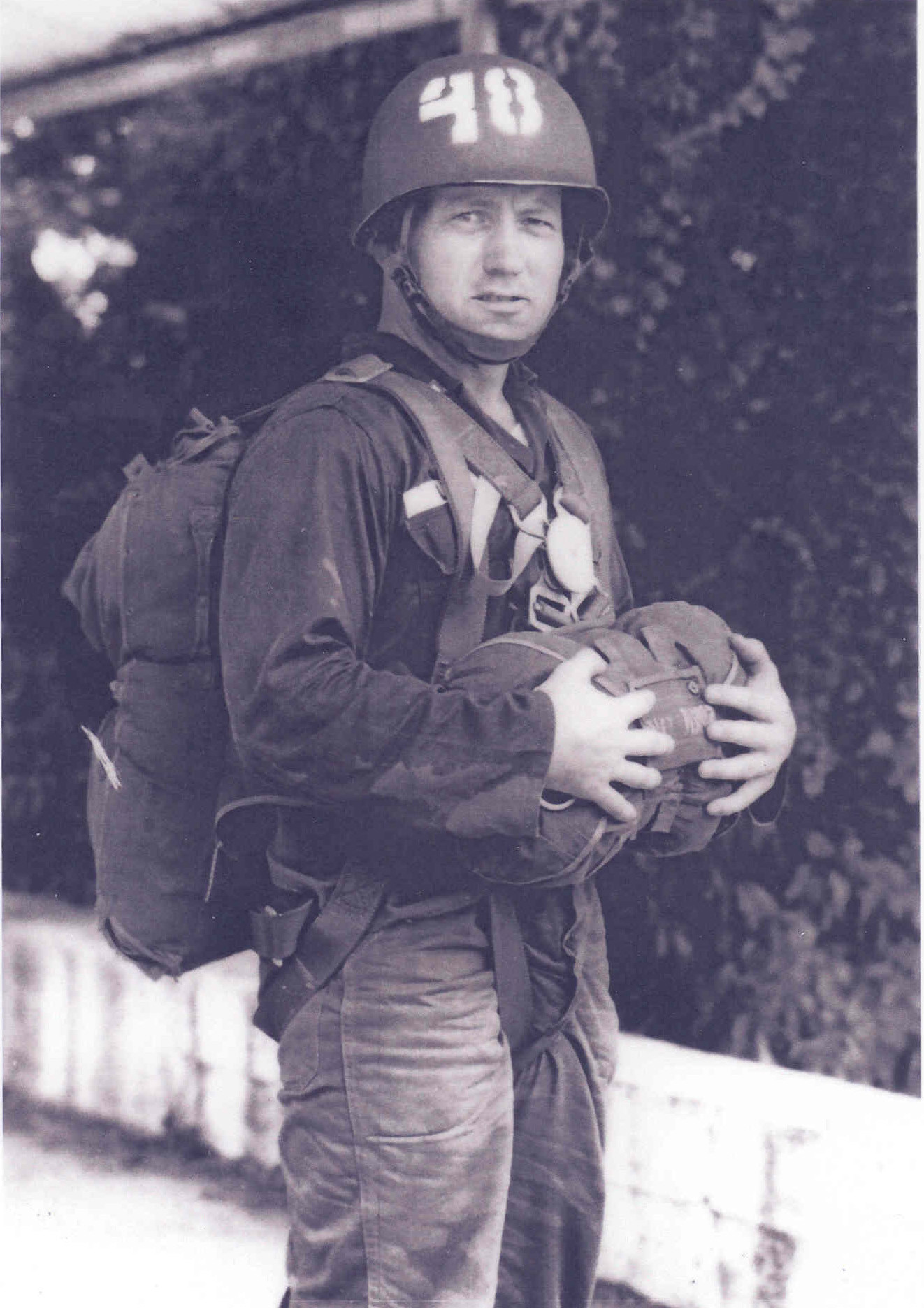
Jack Lucas grew up in Plymouth, North Carolina, and lost his father when he was 11. His mother sent him to military school, where he rose to cadet captain. Then Pearl Harbor happened, and school suddenly felt very small.
He stood 5 feet 8 inches and weighed 180 pounds. He told the Marines he was 17, paid off a notary, and nobody blinked. How long could a secret like that last?
About a year. By early 1944, the Corps knew the truth.
They didn't send him home. They kept him in Hawaii, driving a truck, far from any fighting. Jack had no intention of staying there.
On January 10, 1945, he walked out of camp in his khaki uniform with his combat gear rolled under his arm. That night, he was marked absent without leave. So where did he go?
He slipped aboard the USS Deuel, a transport carrying the 1st Battalion, 26th Marines. Its destination was an island he had never heard of: Iwo Jima.
He hid among the troops for nearly a month. On February 8, he turned himself in to Captain Robert Dunlap.
One more day, and his name would have gone on the deserter list. The officers could have locked him up. Instead, they handed him a rifle.
They cut his rank to private and put him in Dunlap's company. On February 14, somewhere in the Pacific, Jack turned 17.
Five days later, he went ashore with the 5th Marine Division. He would last barely one more day before everything changed.
On February 20, Jack and three fellow Marines dove into a trench. Eleven enemy soldiers were dug into another trench right next to them.
Jack's rifle jammed. While he worked to clear it, he spotted what no one else had seen: two grenades in the ash, right at his friends' feet.
He shouted a warning and leaped over a fellow Marine. He pushed one grenade into the soft volcanic ash and covered it with his body. Then he reached out and pulled the second one under him too.
One went off. The other never did.
His three friends walked away unhurt. They were sure Jack was gone. He wasn't.
He was conscious but couldn't make a sound. A Marine from another unit spotted him and called for a Navy corpsman. That corpsman stayed with him and shielded him from a nearby enemy soldier until help arrived.
Doctors later found more than 250 metal fragments in his body. He went through at least 21 surgeries. About 200 pieces stayed with him for life, and they set off airport metal detectors for decades.
He reached San Francisco on March 28, 1945. That August, while he recovered in a naval hospital in Charleston, the desertion mark was wiped from his record.
On October 5, 1945, he stood on the South Lawn of the White House. He was one of 14 men receiving the Medal of Honor that day. Among them was Robert Dunlap, the same captain he had surrendered to on that ship.
His mother was in the crowd. Admiral Chester Nimitz was there too. Then President Harry Truman leaned in to speak with him.
As Jack told it, Truman said he would rather have that medal than be President. Jack's reply came fast: "Sir, I'll swap you."
He was still only 17. He became the youngest Marine ever to receive the Medal of Honor, the youngest of World War II, and the youngest since the Civil War. He was one of 27 men honored for Iwo Jima.
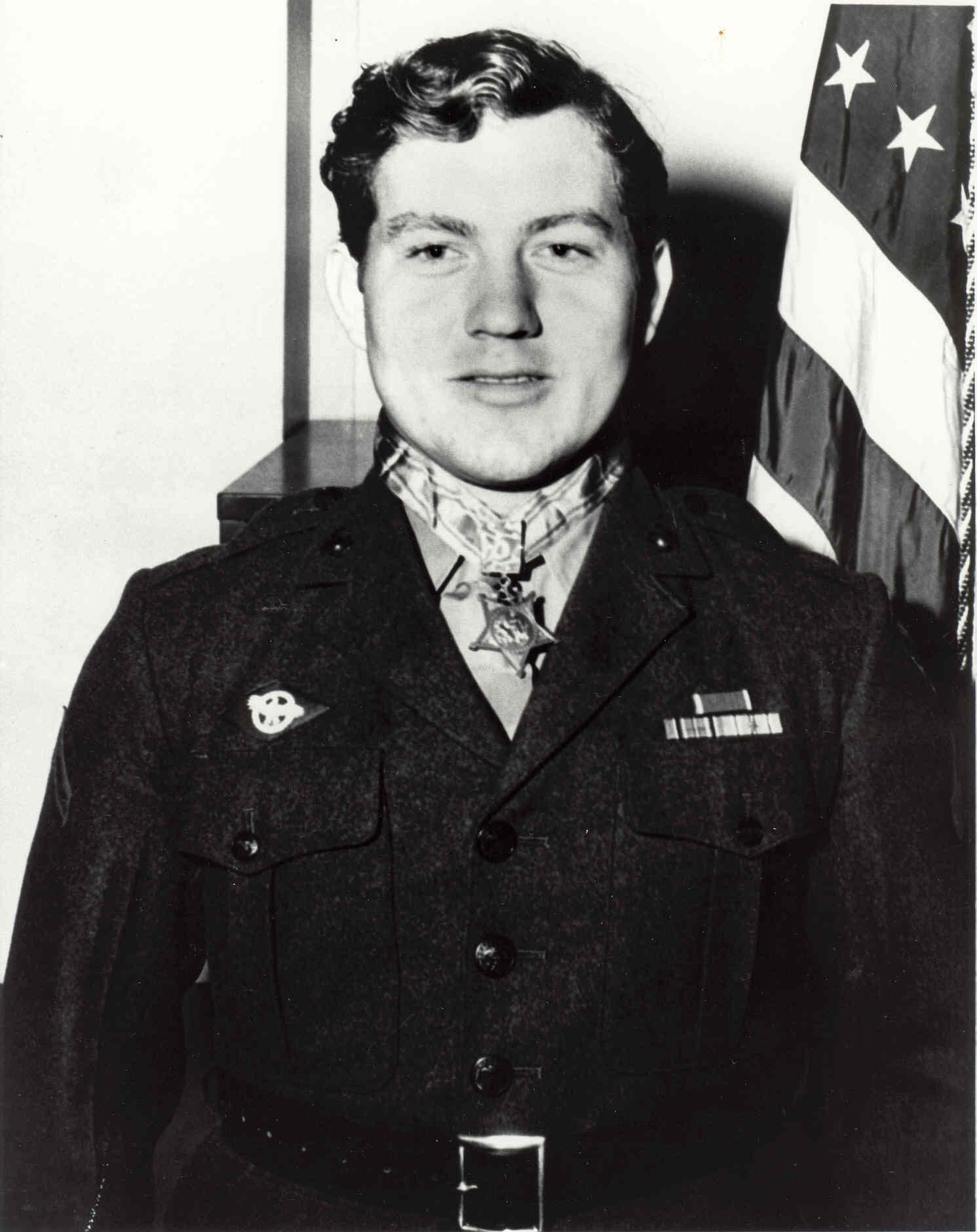
You might think the story ends there. It doesn't.
He earned a business degree, and in 1961, he joined the Army as a paratrooper. His reason was to face his fear of heights.
On one training jump, both his main and reserve parachutes failed. He hit the ground and lived, crediting his stocky build and a last-second roll.
He finished his service as an Army captain in 1965 at Fort Bragg, training young soldiers. Decades later, he titled his 2006 memoir with one word: Indestructible.
When the Navy built the USS Iwo Jima, Jack sealed his Medal of Honor citation inside its hull. It is still there.
Jack Lucas died on June 5, 2008, in Hattiesburg, Mississippi, at 80. But his name kept going.
On October 7, 2023, the Navy commissioned the destroyer USS Jack H. Lucas in Tampa, Florida. The boy who once hid aboard a ship to reach the fight now has a warship sailing under his own name.