Burn Ban in Effect. All outdoor burning is prohibited in Franklin County.



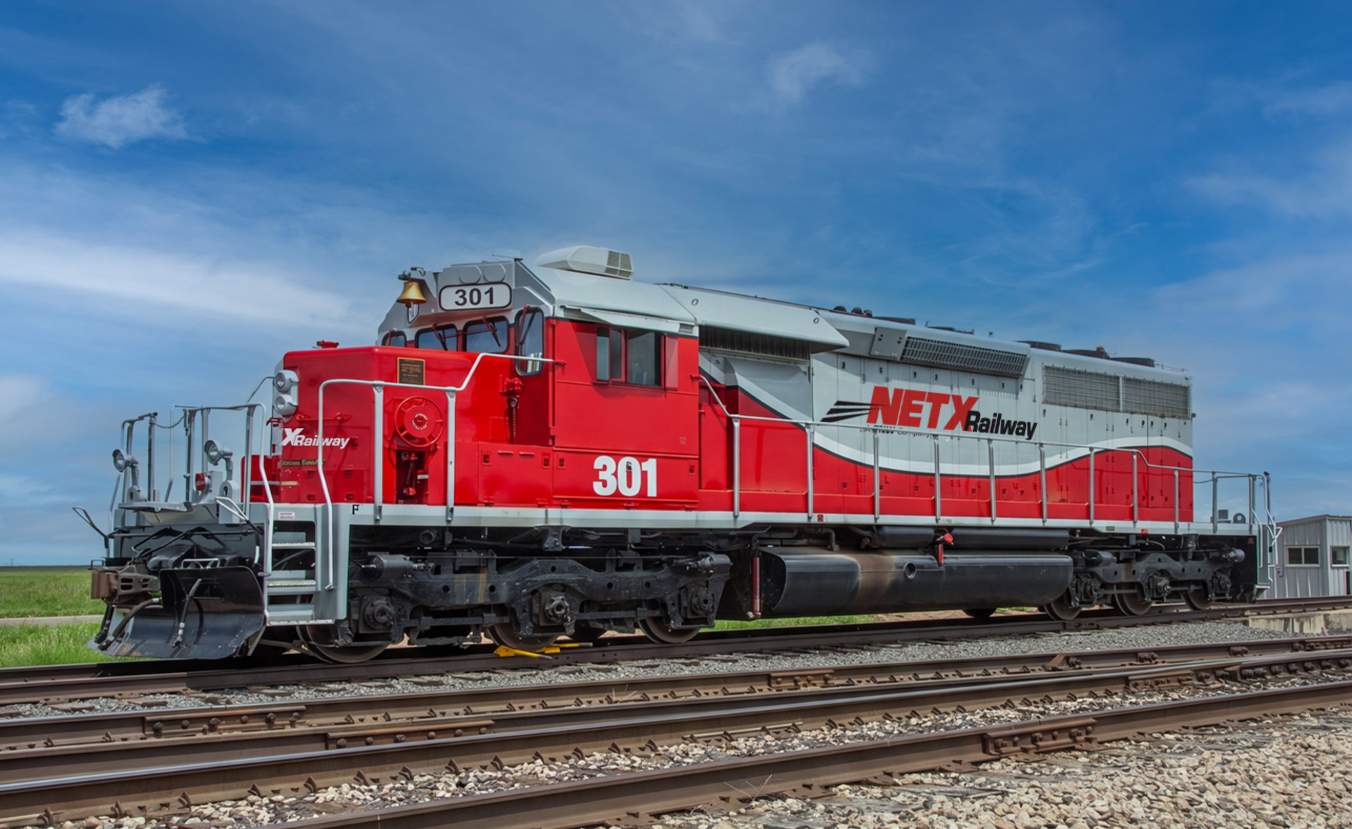
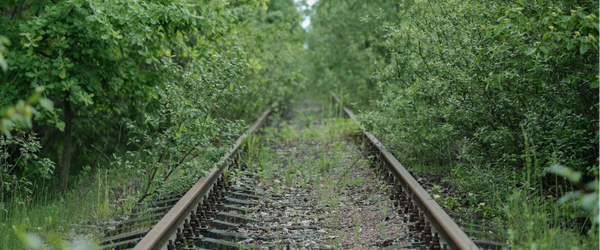
The railroad route which has had very little use in Mount Vernon over the past few years is now starting to become active again, thanks to the TNW Corporation carrying out repairs, clearing up the vegetation and getting the line ready for renewed rail traffic between Sulphur Springs and Mount Pleasant.
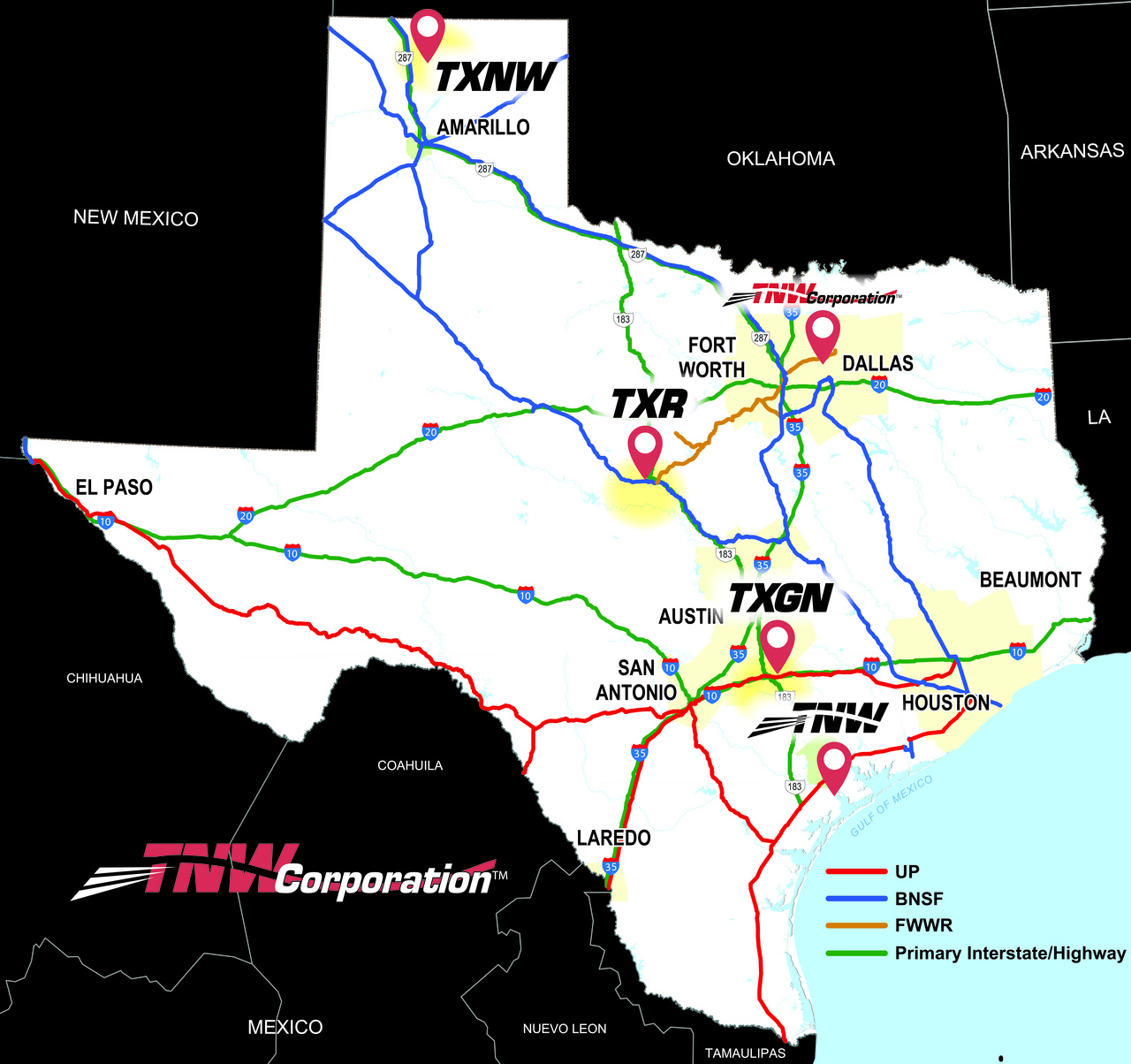
Joey Evans, Senior Director of Government Affairs and Business Development at TNW Corporation, gave a talk to the Mount Vernon Rotary Club on Friday, August 21, in which he described the company's activities since it has taken over the operation of the Northeast Texas rail corridor. TNW is a privately owned railroad company with its headquarters in Dallas and which runs several railroads throughout Texas, but this represents the company's first operation in East Texas.
The section of railway that is 67 miles long extends from Greenville to the Mount Pleasant area and passes through Mount Vernon. At the time TNW started its work on the railroad, part of the track had become heavily overgrown and a great deal of infrastructure repair was required before the trains could once again run safely. The teams soon started cutting back the vegetation, replacing the worn-out cross ties and examining all of the bridges in the area. Evans stated to the Rotary members that the vegetation had already been removed along the entire 67-mile length, and that about 14,000 cross ties had been bought for replacement. There are also 76 bridges in the corridor which have to be inspected and, if needed, repaired before the trains can use them.
It is important to restore the whole route since this is one of the reasons why the railroad is so attractive to businesses—namely, because it provides access to two major rail connections. The corridor is able to connect with CPKC at Sulphur Springs and with Union Pacific at Mount Pleasant. Because the eastern part of the railroad has not been available for several years, customers on the line have had limited possibilities regarding how they could get their railcars onto the national network. Reopening the section leading towards Mount Pleasant would restore that second option and could also make the communities in the corridor more appealing to industries that rely on rail transport.
Evans stated that TNW identifies opportunities in a wide variety of industries, such as lumber, aggregates, chemicals, plastics, businesses related to the automotive sector, and agriculture. He also noted that there are opportunities to convert businesses which at present depend on other types of transportation to use rail.
Although existing customers have shown an interest in getting back access to the Mount Pleasant interchange, TNW still does not know either how much traffic will move to the reopened route or how fast new business will materialise. Evans stated that he anticipates a ramp-up phase as the railroad is stabilized and customers start to use the restored connection.
This current project is just the starting point. TNW believes that completely rehabilitating the railroad will need about $48 million worth of infrastructure investment and has applied for federal grant funding in order to speed up the work. Should the grant be awarded, Mr. Evans stated that TNW hopes most of the planned infrastructure investment could be finished within about two to three years. However, if the grant is not awarded, the work will still go on, but at the same investment level it would take nearly five to seven years since the projects would be prioritized and funded over time.
For people who live at Mount Vernon, the resumption of rail service will also involve getting used to something which the community has not frequently come across in recent years—active railroad crossings.
TNW is looking at all the crossings in the area, checking the lights, gates and bells and noting the places where safety equipment may need repairing or upgrading. Evans stressed that residents should start considering the railroad as being active once again, even at crossings where trains have not run for several years. Drivers should observe the crossing lights and gates, listen for the bells and train horns and must not assume that a signal which has activated is broken just because they are not used to seeing trains at that location. TNW is also making sure that this message is passed on to the schools and communities along the route.
Evans said that they are making an effort to be as open as possible to the community regarding what is going on, and added that TNW would like the residents and local leaders to put forward any questions or concerns they may have as activity along the corridor grows. Feel free to submit your questions via our contact form here.
In addition to the trains, Evans thinks that bringing back reliable rail service could provide Mount Vernon and Franklin County with another means of attracting investment. He has urged local economic development officials to ensure that information regarding the area's workforce, population and the utilities such as electricity, natural gas and water is up-to-date and easily accessible. These are indeed some of the first questions that businesses ask when looking at a new location.
For Evans, economic development doesn't involve attracting businesses just on the basis of growth. He stated that TNW would like to find out what the various communities want before recruiting companies into them, on the understanding that an industry which is suitable for one town might not be appropriate for another.
That method would be especially important for Mount Vernon since leaders are having to balance new economic opportunities against preserving the character of the community.
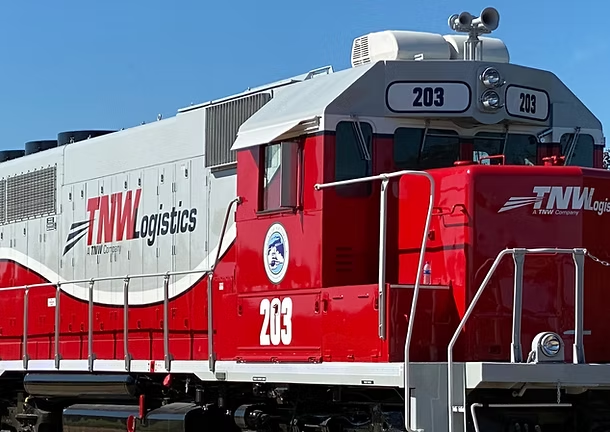
As TNW carries out its efforts to rebuild the corridor, the most noticeable changes for Mount Vernon will at first be the presence of crews, the repaired tracks, and later on more trains passing through the town. The greater impact, however, could take a lot longer to become apparent. Yet, after many years of limited activity on the railroad, the current work is reopening a transport link which Evans thinks might bring about new opportunities for Mount Vernon and for communities all over Northeast Texas.