Burn Ban in Effect. All outdoor burning is prohibited in Franklin County.




In the quiet, pine-lined corners of Mount Vernon, where the air smells like fresh-cut hay and diesel from passing trucks, there was once a little girl who believed the whole world lived inside those few square miles.
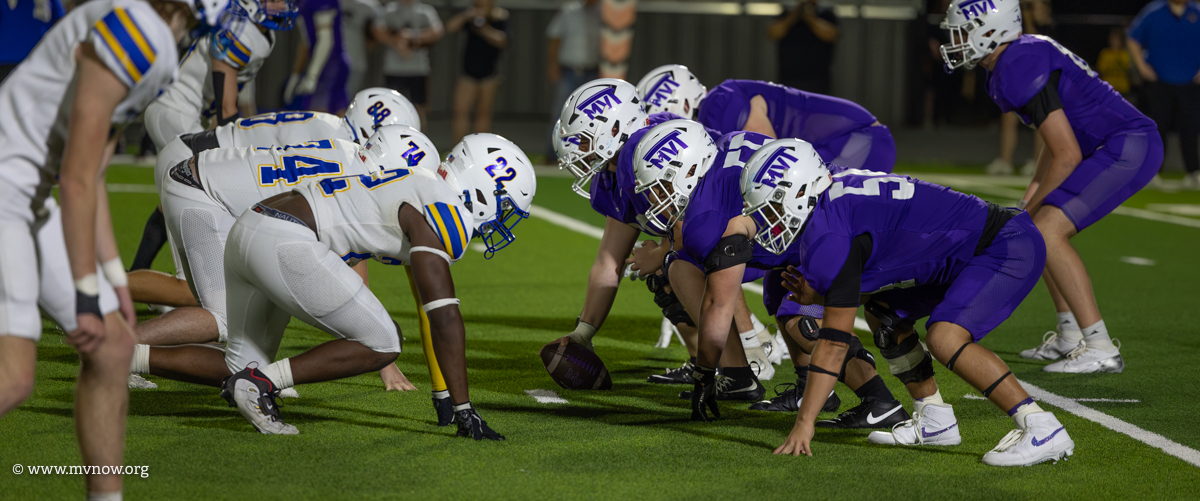
She grew up barefoot in the summers, her feet toughened by gravel roads and hot pavement. Friday nights meant something sacred, stadium lights humming to life, the crackle of a loudspeaker, and the smell of barbecue drifting through the air. She didn’t just watch the games… she lived them. Running up and down the bleachers, tossing a football in the parking lot, laughing with kids whose last names she’d known since kindergarten.
Tailgates were where stories were told, where elders passed down quiet wisdom between bites of homemade pie. “You learn more from losing than winning,” one old man told her once, handing her a paper plate piled high. She didn’t understand it then, but she would.
Because she did lose.
Games. Friendships. Pieces of herself.
And every time she fell, that little town, those people, caught her in ways she didn’t even realize at the time.
She grew up.
Not all at once.
Not cleanly.
But in the way small-town girls do, through scraped knees, hard lessons, and a stubborn kind of hope.
She married young. Built a life in her childhood home where she once played. And before she knew it, she was standing on the other side of those same football fields, watching her own children run under those Friday night lights.
And it hit her.
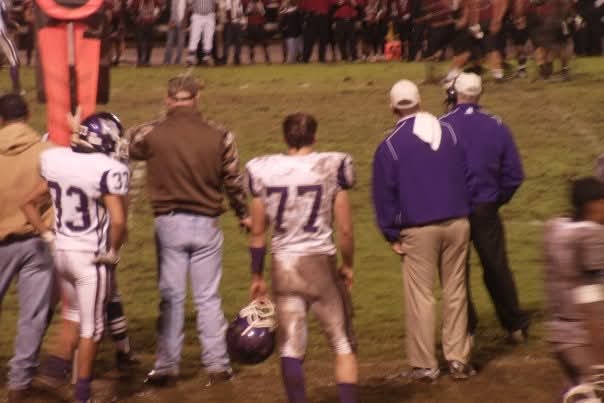
Time wasn’t something that passed in Mount Vernon; it layered. Every memory sat right on top of the last. The same roads. The same school. The same echoes of laughter, but softer now, like they were trying to hold on.
But something had changed.
The town she loved, the one that raised her, was shifting. New buildings rose where open land once stretched. Old faces disappeared, replaced by ones that didn’t quite carry the same stories. The pace quickened. The noise grew louder. And somewhere in all of it, the heart of the place felt like it was getting harder to hear.
People started disagreeing more. Lines drawn where there used to be none. Conversations that once happened over shared meals now turned sharp, divided. It wasn’t loud at first; it was subtle. Like a slow crack in something that used to be unbreakable.
And she felt it.
Deep in her chest.
Like she was standing in the middle of it all, watching something sacred slip through her fingers.
She tried to ignore it at first. Told herself it was just part of growth. That change wasn’t a bad thing.
But the more she watched, the heavier it became.
Until one night, sitting alone after her kids had gone to bed, she felt it fully for the first time.
That quiet, overwhelming weight.
Like she was drowning in the dark, trying to hold together something bigger than herself.
Because she knew what this town was.
She had lived it.
She had been shaped by it.
And she couldn’t just stand by and watch it lose itself.
So she didn’t.
She started small.
A conversation here.
An event there.
A gathering. A prayer. A table where people who didn’t agree still sat side by side.
She spoke when it would have been easier to stay quiet.
She showed up when it would have been easier to stay home.
She chose love when division felt louder.
Not perfectly.
Not without doubt.
Not without nights where she wondered if it was doing any good at all.
But she kept going.
Because she remembered the little girl running barefoot under stadium lights.
The laughter.
The unity.
The feeling that everyone belonged to something bigger than themselves.
And she refused to believe that was gone.
Maybe the town was changing.
Maybe it looked different.
Maybe it felt different.
But she believed, deep down, that the soul of Mount Vernon wasn’t something that could be paved over or replaced.
It just needed to be fought for.
Protected.
Reminded.
And maybe, just maybe, her story wasn’t about stopping change.
Maybe it was about guiding it,
holding onto what mattered most,
and teaching the next generation what it truly meant to be part of a community.
So one day, years from now, her children would stand in that same place…
And say,
“This is home.”