Burn Ban in Effect. All outdoor burning is prohibited in Franklin County.



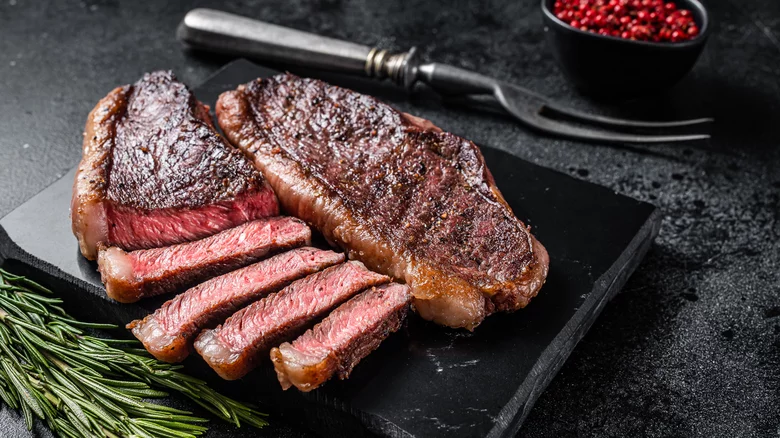
Protein gets a lot of attention, and for good reason. It helps build and repair muscle, supports immune function, and plays a role in recovery, strength, and healthy aging. But as we get older, the amount of protein we need to stay healthy may be higher than many people think.
For years, the standard recommendation for adults has been 0.8 grams of protein per kilogram of body weight per day. That number is often treated like a target, but it was really designed as a minimum to prevent deficiency, not necessarily the amount that best supports muscle maintenance, strength, and function later in life (Campbell et al., 2023). For older adults, many experts now believe that a more realistic goal is closer to 1.0 to 1.2 grams per kilogram per day, and sometimes higher for those who are active, recovering from illness, or trying to preserve muscle (Deutz et al., 2014; Lee et al., 2025).
Why the increase? Aging muscles do not respond to protein as efficiently as younger muscles do, a condition called anabolic resistance (Harris et al., 2025). In simple terms, the same serving of protein that strongly stimulates muscle growth in a younger person may have a weaker effect in an older adult. On top of that, many older adults eat smaller meals, have lower appetites, or face health conditions that make it harder to get enough protein consistently (Wolfe et al., 2008). That combination can gradually lead to muscle loss, lower strength, and reduced independence.
When protein intake is insufficient, the body may break down muscle tissue to meet its protein requirements. Over time, that can contribute to sarcopenia, the age-related loss of muscle mass and function (Lee et al., 2025). The consequences are not just cosmetic. Less muscle can mean slower walking speed, difficulty rising from a chair, poorer balance, and a greater risk of falls and frailty. Low protein intake can also make it harder to recover from illness, surgery, or injury. This is one reason the federal recommendation may fall short for older adults. The RDA serves as a general baseline for the population, but it does not fully account for the higher needs that accompany aging (Nowson & O'Connell, 2015). In other words, it may be enough to avoid deficiency, but not enough to help many older adults maintain muscle and strength at optimal levels.
Protein quality also matters. Animal proteins such as eggs, dairy, fish, poultry, and meat are generally easier to digest and provide a more complete profile of essential amino acids (Wolfe et al., 2024). Plant proteins can absolutely support healthy aging, too, but they often need to be eaten in larger amounts to achieve the same effect. That is because many plant proteins are less digestible and may contain anti-nutritional factors, or ANFs, such as phytates and fiber structures that can reduce how well the body absorbs and uses the protein (Ajomiwe et al., 2024). Some plant foods are also lower in certain essential amino acids, which means they may need to be combined thoughtfully or consumed in greater amounts. That does not mean plant proteins are a poor choice. It means they often require more planning. Using protein blends, choosing more refined plant protein sources such as concentrates or isolates, and combining different plant foods throughout the day can help improve overall protein quality (Hertzler et al., 2020).
The bottom line is simple: healthy aging depends on giving the body enough usable protein, not just enough food. That means focusing on both quantity and quality. Older adults should aim to consume enough digestible indispensable amino acids each day and choose either high-quality protein sources or smart plant-protein strategies to compensate for lower digestibility. Protein is not just for athletes. It is a daily tool for preserving strength, mobility, and independence as we age.
Ajomiwe, N., Boland, M., Phongthai, S., Bagiyal, M., Singh, J., & Kaur, L. (2024). Protein Nutrition: Understanding Structure, Digestibility, and Bioavailability for Optimal Health. Foods, 13(11). https://doi.org/10.3390/foods13111771
Campbell, W. W., Deutz, N. E. P., Volpi, E., & Apovian, C. M. (2023). Nutritional Interventions: Dietary Protein Needs and Influences on Skeletal Muscle of Older Adults. The Journals of Gerontology: Series A, 78(Supplement_1), 67–72. https://doi.org/10.1093/gerona/glad038
Deutz, N. E. P., Bauer, J. M., Barazzoni, R., Biolo, G., Boirie, Y., Bosy-Westphal, A., Cederholm, T., Cruz-Jentoft, A., Krznariç, Z., Nair, K. S., Singer, P., Teta, D., Tipton, K., & Calder, P. C. (2014). Protein intake and exercise for optimal muscle function with aging: Recommendations from the ESPEN Expert Group. Clinical Nutrition, 33(6), 929–936. https://doi.org/10.1016/j.clnu.2014.04.007
Harris, S., DePalma, J., & Barkoukis, H. (2025). Protein and Aging: Practicalities and Practice. Nutrients, 17(15). https://doi.org/10.3390/nu17152461
Hertzler, S. R., Lieblein-Boff, J. C., Weiler, M., & Allgeier, C. (2020). Plant Proteins: Assessing Their Nutritional Quality and Effects on Health and Physical Function. Nutrients, 12(12). https://doi.org/10.3390/nu12123704
Lee, E., Kim, I.-D., & Lim, S.-T. (2025). Physical activity and protein-intake strategies to prevent sarcopenia in older people. International Health, 17(4), 423–430. https://doi.org/10.1093/inthealth/ihae064
Nowson, C., & O'Connell, S. (2015). Protein Requirements and Recommendations for Older People: A Review. Nutrients, 7(8), 6874–6899. https://doi.org/10.3390/nu7085311
Wolfe, R. R., Church, D. D., Ferrando, A. A., & Moughan, P. J. (2024). Consideration of the role of protein quality in determining dietary protein recommendations [Review]. Frontiers in Nutrition, Volume 11 - 2024. https://doi.org/10.3389/fnut.2024.1389664
Wolfe, R. R., Miller, S. L., & Miller, K. B. (2008). Optimal protein intake in the elderly. Clinical Nutrition, 27(5), 675–684. https://doi.org/https://doi.org/10.1016/j.clnu.2008.06.008