Burn Ban in Effect. All outdoor burning is prohibited in Franklin County.



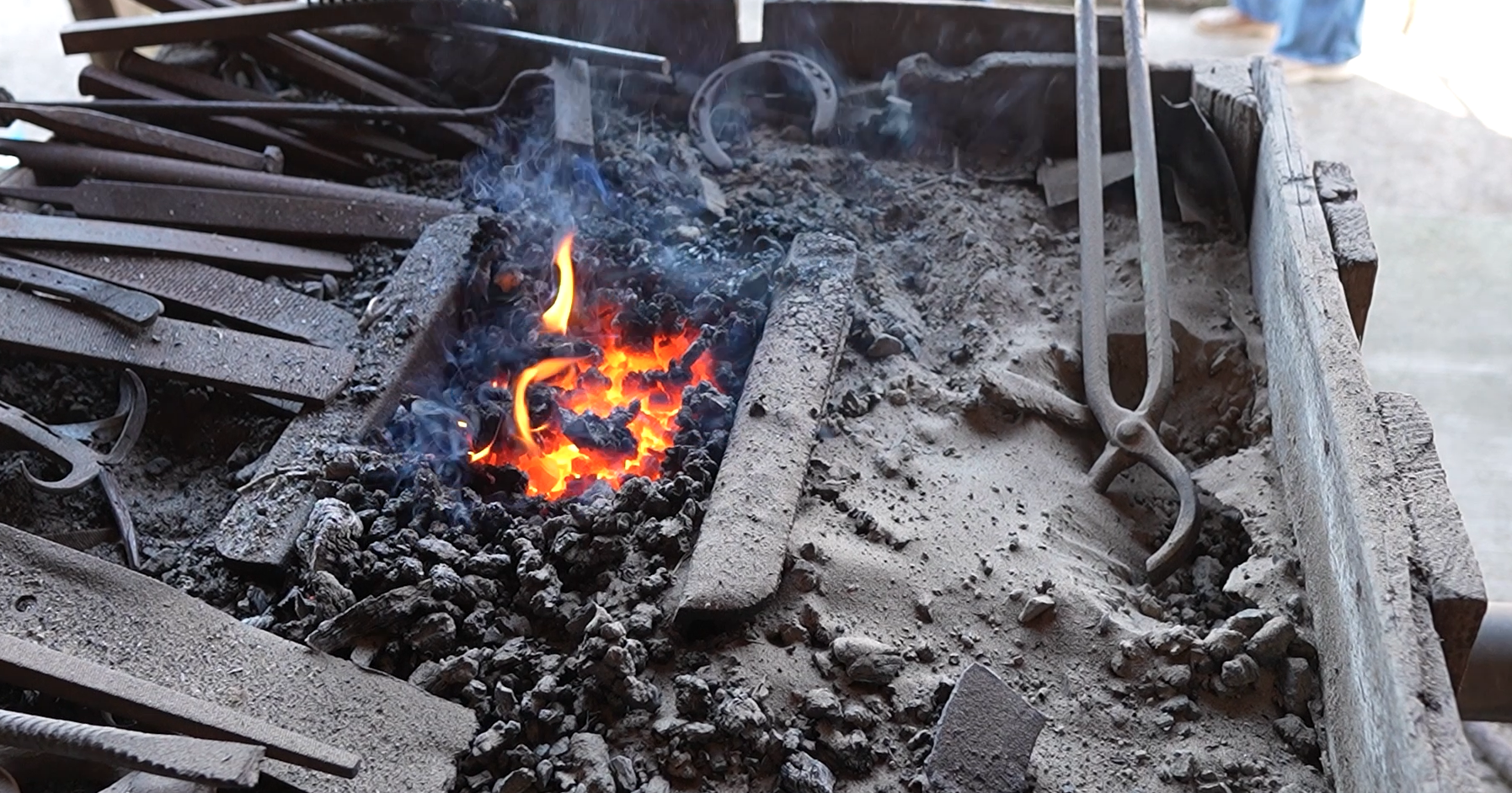
Before repair shops and next-day deliveries, people relied on skilled workers to keep things going. If a wagon wheel broke, a farm tool wore out, or a horse needed new shoes, these items could not be swapped out; they had to be fixed by the local blacksmith.
During a visit to the Franklin County Historical Association’s blacksmith shop, Dan Hoke interviewed Joel Dihle about the tools, traditions, and community role of blacksmiths. The shop is filled with equipment and artifacts from real blacksmith shops, helping visitors visualize what was once a vital job in Mount Vernon and other rural Texas towns.
Dihle was interested in metalwork before trying blacksmithing. Growing up in North Dakota, he welded on the farm with acetylene torches and electric welders. Though not classic blacksmithing, it taught him metalwork and how to fix or build with what he had. After moving to Texas, he started helping at a friend's blacksmith shop and soon discovered the work meant much more to him.
Dihle taught himself most of what he knows, getting advice from an experienced blacksmith but never having step-by-step guidance. This approach made him appreciate the knowledge, patience, and skill blacksmiths needed in the past.
“The importance of people who did the repair work and the building of things the old-fashioned way is pretty much lost on the younger generation,” Dihle said. “They don’t realize what effort it took to repair a broken wheel or shoe a horse.” Dihle’s observations help highlight just how essential blacksmiths once were to daily life.
Dihle learned Mount Vernon once had four blacksmith shops, showing just how much their work was needed in and around town. Blacksmiths fixed farm equipment, repaired household items, and handled many small jobs that kept families and businesses running, from patching milk pails to repairing wagons and farm tools.
For most, visiting the blacksmith was essential to keep equipment working. If a machine broke, farm work stopped. If a buggy were damaged, a family might miss church or town. Dihle says blacksmiths were like today’s auto mechanics; without someone to fix things, daily life could grind to a halt.
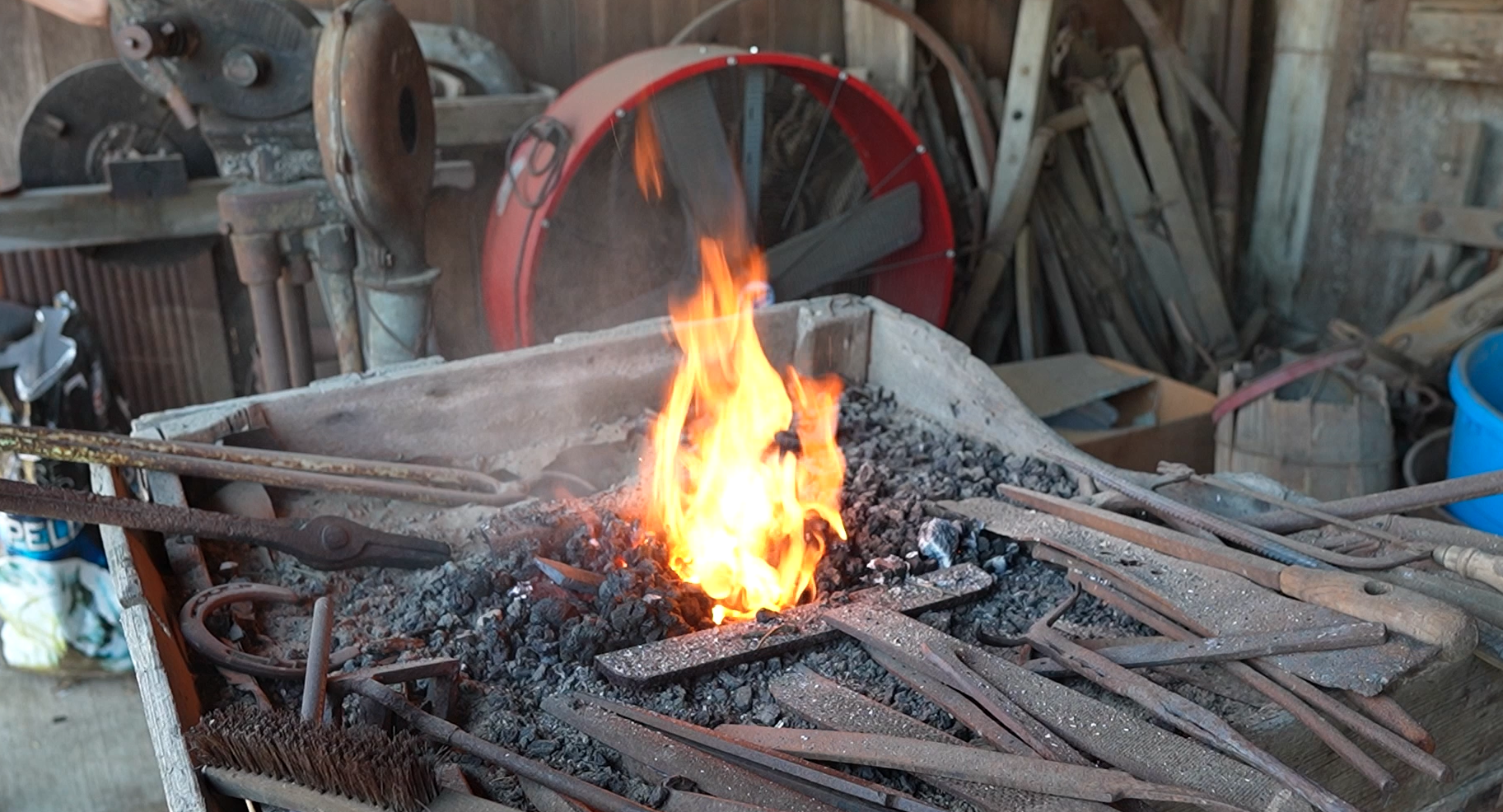
The shop’s coal-fired forge, with its crank-operated bellows, was once advanced for heating metal. About 150 years ago, a blacksmith with a solid forge, hammer, and an anvil could handle most essential shop work.
Having an anvil was essential, providing blacksmiths with a sturdy surface for bending, flattening, and shaping hot metal. In lieu of an anvil, a blacksmith would often settle for any piece of heavy steel, such as railroad rail. This type of resourcefulness was common in rural areas where tools and materials were scarce.
Forge welding, which is heating and hammering two metal pieces together until they join, is one of the hardest blacksmithing skills. Dihle says it takes patience and practice to master, even for experienced metalworkers.
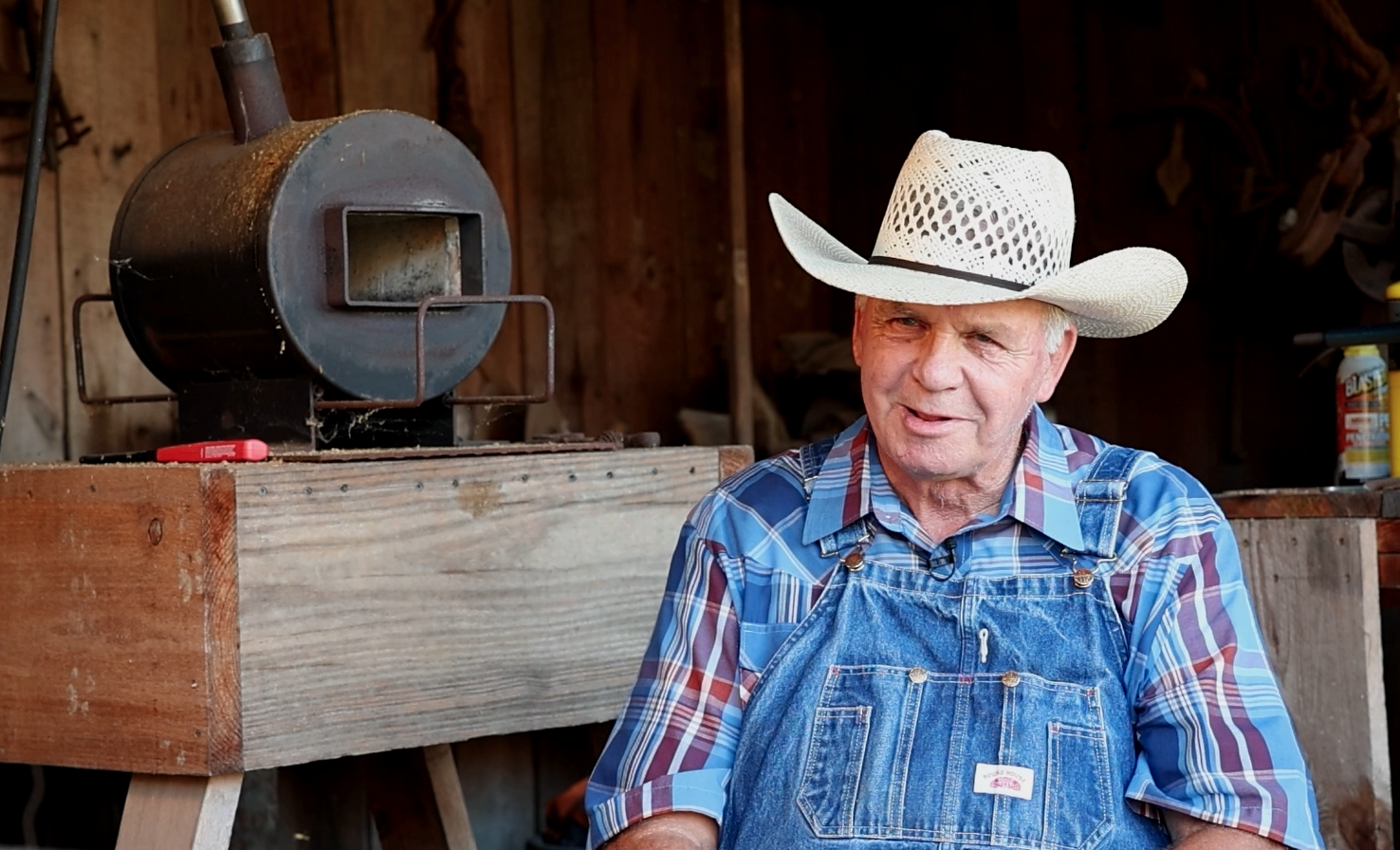
The Franklin County Historical Association’s blacksmith shop saves more than tools. It preserves stories of those whose work sustained communities before modern repair shops. Through demonstrations and talks, visitors experience the skill, problem-solving, and hard work that made blacksmiths key figures in town.
Be sure to explore a live demonstration from Mr. Dihle during October’s CountryFest scheduled for the second Saturday in October from 9am - 3pm.