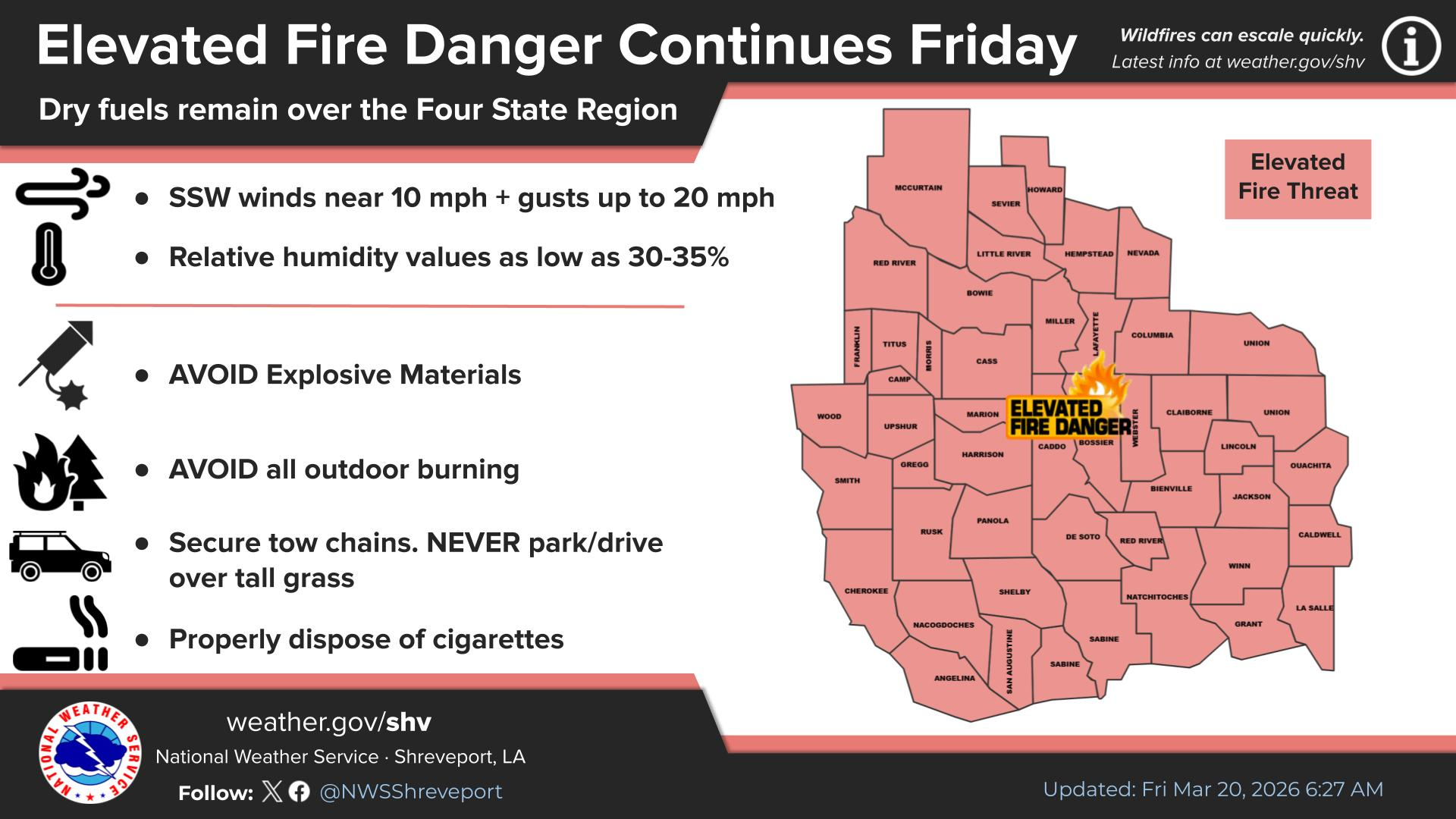
Burn Ban in Effect. All outdoor burning is prohibited in Franklin County.



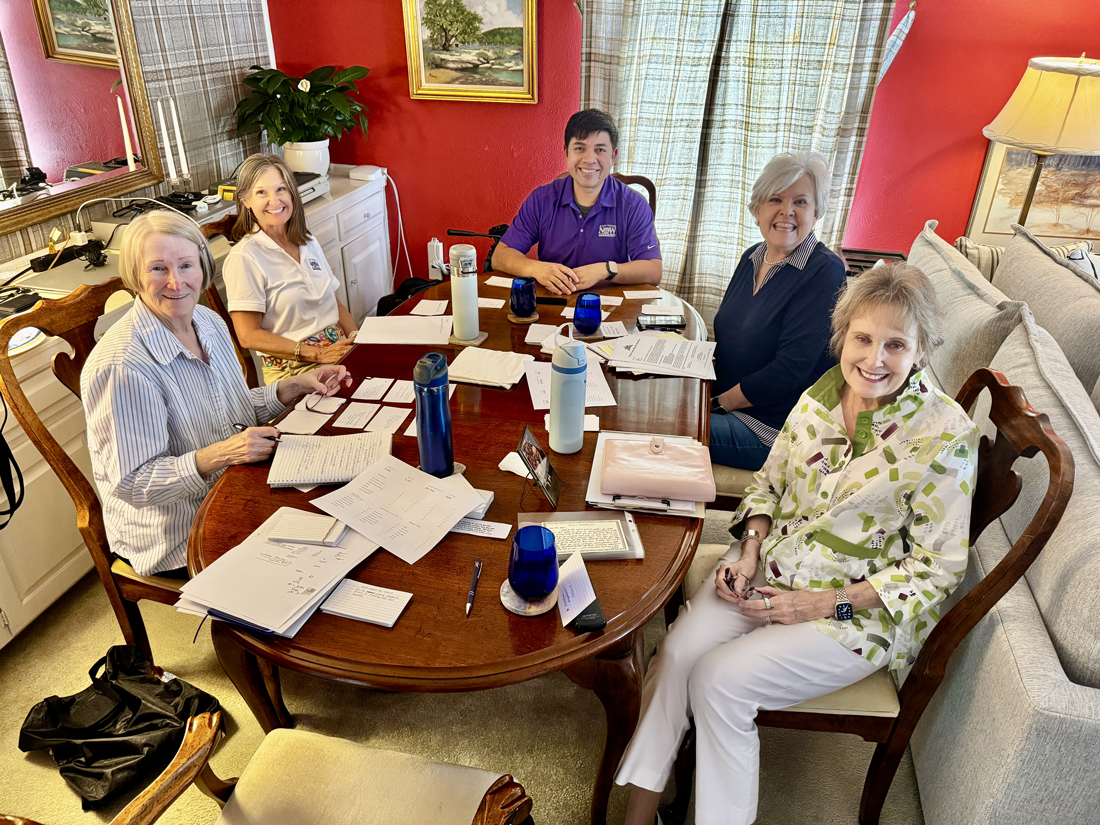
Last week, I had the incredible pleasure of sitting around a table with the MVNow board to discuss the next 18 months of our work together. I am not quite ready to share many of the details from that meeting just yet, but I can say that it is a blessing to sit at a table with minds that share the same heart for this community and for the work we are building together.
I arrived about 30 minutes before our kickoff time to prepare. In many ways, it reminded me of my teaching days. There was that familiar feeling of being well prepared, having notes in order, making sure supplies were ready beforehand, and thinking through anything the group might need during the day.
Shortly after arriving, I connected to Ken Greer’s printer, which is located upstairs in a small office just off the stairs. It turns out Ken has discovered that there is still quite a bit of life left in the toner long after the printer begins warning that it is running low. There may be some Dutch roots in ensuring every last bit of value comes from a toner cartridge. I laughed and assured him that I knew it was probably time to swap it out, since the copies I was making were starting to look more like zebra prints, if you know what I mean.
As I made a few trips up and down the stairs, I caught glimpses of framed photographs hanging along the way. They were the kind of pictures that surely tell stories to guests fortunate enough to receive the full nickel tour of the house. Time did not allow me to learn the background behind them that day, but they intrigued me enough that I found myself thinking about them long after the meeting was over.
Those pictures made me think about how much of the old art of photography has changed. The days of photo development, dark rooms, and the excitement of opening a fresh batch of photographs from the local photo counter have, in many ways, been left behind. Today, we may take hundreds of pictures at any given event, and they sit quietly in albums on our phones, always in our pockets. We can return to them easily, share them with friends and family just as quickly, and even allow technology to identify and organize the faces in them.
Still, there is something unique about a tangible photo album that sits unopened for a while, holding carefully arranged pictures for a guest to view when they come to visit. Maybe it is the age of the paper itself. Maybe it is an original black-and-white photograph, taken with a camera far less polished than the one we carry in our pockets today. Maybe it is the slight fading around the edges, or the handwritten captions and notes on the back.
There is simply something different about old photos. They touch my heart and connect me to a moment, an experience, or a memory that I did not experience firsthand. Yet, the photograph in front of me becomes the closest physical connection I have to that time. It is something I can hold, study, and imagine. Do you ever feel that way when you look through photo albums? I imagine many of us have visited an older family member’s home, seen photographs hanging on the wall, and wondered about the stories behind them.
I hope to visit Ken’s home again soon and have him walk me through one of those photo albums, sharing the stories held within each picture. I am grateful for the boxes of photos sitting on coffee tables, tucked into closets, or stored away somewhere safe. I would love to hear the stories they hold someday.
Maybe we should print one or two of our favorite memories from our phones every now and then. We could write a little note about them on the back, place them in a photo album or even a simple box, put them away for a few years, and then return to them later. Maybe we could share them with a guest over coffee and cookies.
I think that would be a wholesome thing to do from time to time. I know I would be interested in seeing some old photos. The coffee would just be a little added bonus.