Burn Ban in Effect. All outdoor burning is prohibited in Franklin County.



In an era before vaccines largely erased Americans' fear of polio, families lived with the unsettling knowledge that a healthy child could become gravely ill in a matter of days. Across the nation, communities watched swimming pools close, parents worried over unexplained fevers, and local newspapers chronicled the struggles of young people whose lives had been forever changed.
Although dozens in Mount Vernon contracted polio with varying degrees of weakness and paralysis, the harshest realities of the disease came to have a name: Bobbie Strickland.
In September 1946, the 16-year-old went to school with what seemed to be a severe headache. Within days, he lost use of his legs, breathing became difficult, and he was rushed to Parkland Hospital in Dallas, where doctors diagnosed polio. What followed was a battle that would keep him dependent on an iron lung for years and transform him into a symbol of courage for Mount Vernon and Franklin County, TX.
He spent approximately a year at Parkland before returning home to Mount Vernon in December 1947, bringing the iron lung with him. Hospital staff had become so attached to him that they were reluctant to see him leave. While polio statistics tell the story of a national epidemic, Bobbie's experience reveals the human side of the disease. His parents, sisters, friends, teachers, and neighbors became part of a support system that reflected how small-town America responded when tragedy arrived at a family's doorstep.
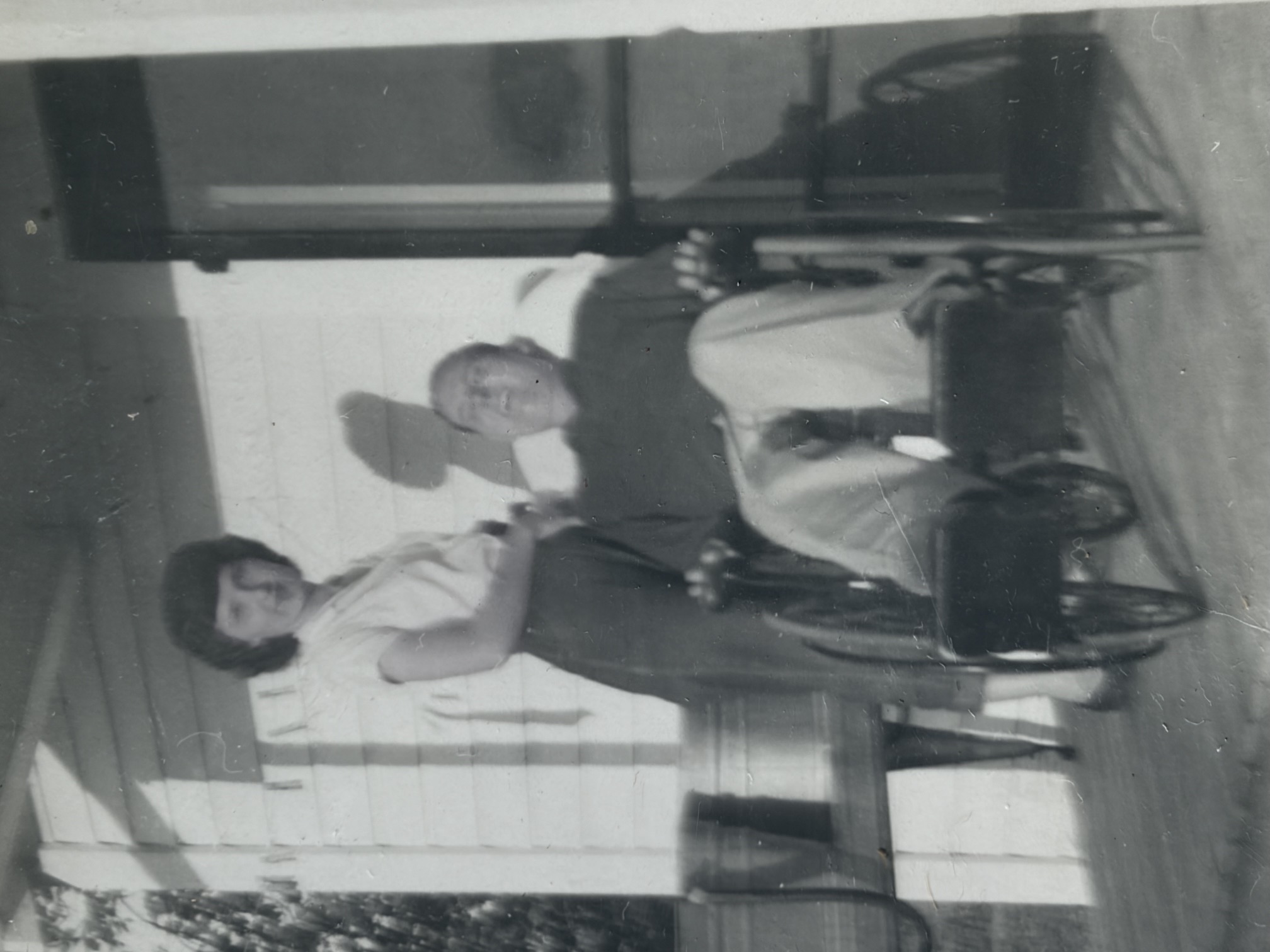
In an extraordinary medical case, Bobbie underwent an appendectomy while still dependent upon the iron lung in December 1949. The machine effectively served as part of the operating setup while physicians devised special procedures to allow surgery to proceed. At that time, Bobbie was one of the few polio patients known to have undergone such an operation successfully.
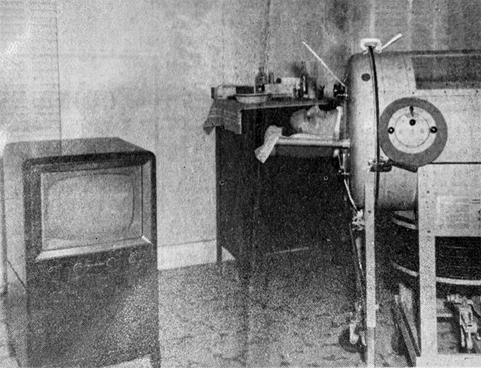
Although he battled pneumonia every winter after returning home, Bobbie remained remarkably cheerful and optimistic. Over the years, friends continued to visit him in the iron lung in the front room of the small home on Miller Street. In December 1951, residents joined together to provide a television set that became one of the brightest moments of his illness. As the rest of the Mount Vernon High School class of 1954 received their diplomas, Bobbie was awarded an honorary diploma in the iron lung.
The story was repeated in communities throughout America. Before vaccines became available, polio spread fear because there was no cure and little certainty. Families adapted homes to care for disabled children, hospitals filled with patients, and rows of iron lungs became a stark reminder of the disease's toll. Rotary International notes that thousands of children died and hundreds of thousands were paralyzed before vaccination campaigns began turning the tide against the virus.
Today, polio has been pushed to the brink of eradication, but the memories of survivors like Bobbie Strickland remind us why the fight must continue. As Rotary continues in the Global Polio Eradication Initiative (GPEI), Rotarians around the world, in partnership with the Bill & Melinda Gates Foundation, are working to ensure future generations never experience the hardships endured by polio victims and their families.
Through this partnership, every dollar contributed to Rotary's PolioPlus program is matched, multiplying the impact of each gift and helping fund vaccinations, surveillance, and outbreak response efforts in the two to three countries where the virus still exists. What once touched communities like Mount Vernon can be prevented elsewhere, bringing the world one step closer to making polio history. Until then, polio is just an airplane ride away from our doorsteps. Scan the QR code to donate online through the local Rotary Club, or mail to MV Rotary, P.O. Box 930, Mount Vernon, TX 75457.