Burn Ban in Effect. All outdoor burning is prohibited in Franklin County.



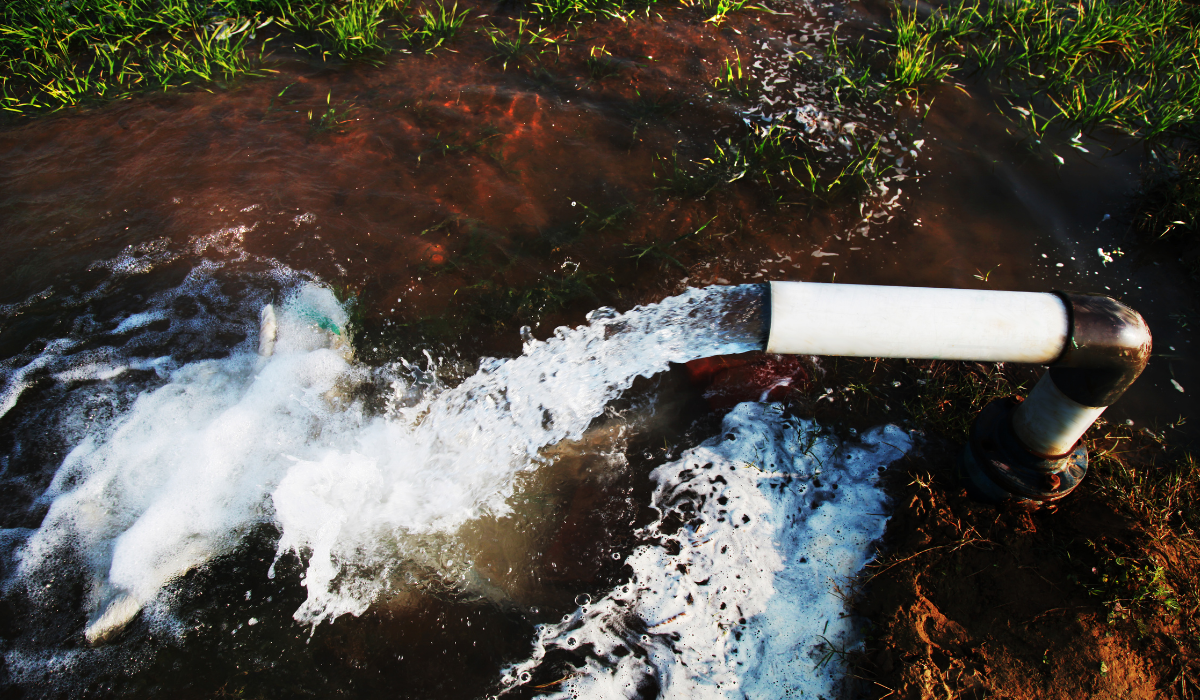
Franklin County is working with nearby Northeast Texas counties to protect one of the area’s most important natural resources before water demand grows too high to manage. County commissioners recently agreed to help create a regional Groundwater Conservation District, or GCD. This district would let counties regulate large-scale groundwater pumping from the Carrizo-Wilcox Aquifer. The main concern is not about stopping groundwater from leaving the region, but about making sure local communities have some control over how much is taken and how fast.
Mike Rambin said this issue is becoming more urgent as the Dallas-Fort Worth Metroplex keeps growing and looking for new water sources. Other big water users, like the increasing number of data centers in Texas, add to the demand. The Carrizo-Wilcox Aquifer under Northeast Texas is a valuable source. “The Metroplex is looking for water wherever they can find it,” Rambin said. “We’ve got to band together with the other counties that are on top of the aquifer and try to control it, not necessarily prevent it, but control it.”
This difference matters. A Groundwater Conservation District would not just ban new wells. Instead, Rambin explained that large commercial wells would need approval and oversight. The district would track where wells are drilled, their size, how much water is planned to be pumped, and, with meters, how much is actually taken out. Fees from bigger groundwater users could help pay for the staff needed to run the district and enforce its rules.
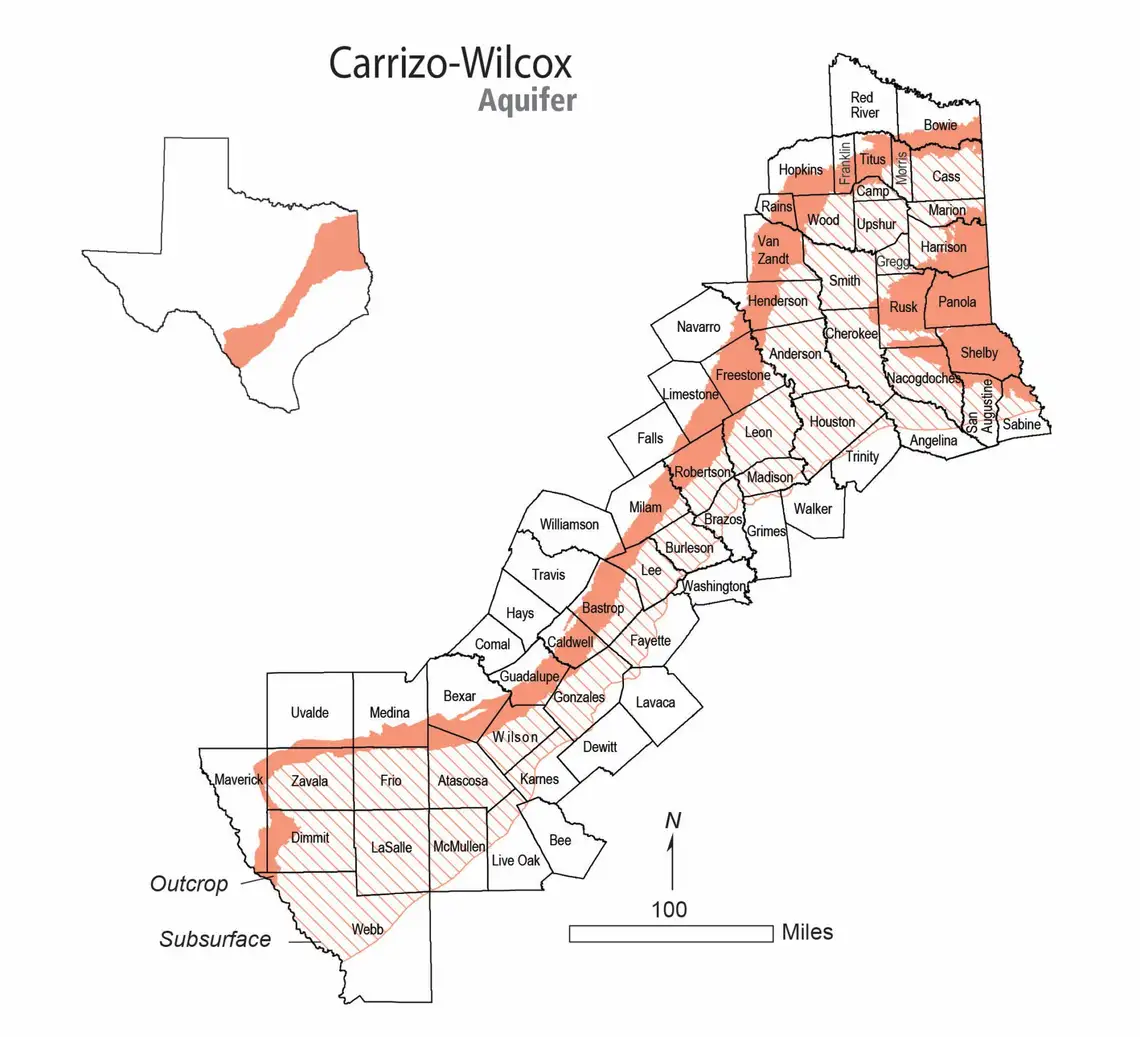
Most Franklin County homeowners, farmers, and ranchers are not expected to see changes in how they get or use water. Rambin pointed out that the county’s municipal water comes from Lake Cypress Springs, not from groundwater wells. Other communities that rely on groundwater for their public water systems might see district fees show up in their water bills. Still, Rambin said the benefit is having a system to protect the groundwater supply from uncontrolled large-scale pumping.
One of the most important parts of the proposed district is that it would be regional. Groundwater does not stop at county borders, so if only Franklin County had a conservation district, it would not offer much protection if nearby counties stayed unregulated. A company could buy land in an unprotected county, drill wells, and draw from the same aquifer. “If one of the counties doesn’t participate, then the big developers could go to that county and buy up some land and put these wells in and suck it from there,” Rambin said. A regional district would let the counties set consistent rules and protect the aquifer together, instead of acting separately.
Setting up this protection will take time. Rambin said the counties involved are helping pay for legal work to prepare the legislation needed to create the district. The proposal will go to the Texas Legislature in 2027. If it passes, the next steps will be to set up bylaws, choose county representatives, hire an executive director and staff, and make the rules for groundwater use. Rambin thinks the district might not be fully up and running until sometime in 2028.
This timeline brings up an immediate concern. Until the legal protections are in place, Rambin said the area is still open to large-scale groundwater development. If a company buys land and gets groundwater rights before the district can regulate those actions, those operations might be allowed to continue even after new rules are set. “We are completely exposed,” Rambin said about the time before the district takes effect. Even if future regulations stop new projects, it could be much harder to deal with water development that has already started.
For Franklin County, this effort is more about preventing a groundwater crisis than reacting to one. All Northeast Texas communities rely on the same resource, so choices in one county can affect others. The process could take about two years and might be put to a vote, though Rambin said that has not been decided yet. Meanwhile, Franklin County residents can expect to hear more about the issue as the district proposal moves forward and counties work out the details. County commissioners will continue to provide updates as things progress.