Burn Ban in Effect. All outdoor burning is prohibited in Franklin County.



Before Lillie Bush-Reves began reporting the news in Mount Vernon, she spent her days watching the community from the front window of her parents’ café. She would sit on a small ledge, coloring as cars passed on Highway 67, the main road between Dallas and Texarkana at the time, while residents went about their daily routines downtown. Once she was old enough to safely carry a glass of water and a menu, she began greeting customers at their tables. Those early years taught her how to listen, talk with people, and understand what connects a small community. She became a familiar face long before her name ever appeared in the local newspaper.
Lillie often jokes that her mother was born in northern Franklin County, her father in the southern part, and they met in Mount Vernon. Her father grew up on a farm in the Rock Hill community. Her mother’s family moved to Mount Vernon after her uncle got polio and needed an iron lung, which required electricity, so they settled where electricity was available. Both parents ended up working in local cafés. In late 1953, they opened the Tiger Grill, and Lillie was born the next year. With her parents working long hours, the restaurant became her second home.
“I spent a lot of time up there just because that’s where my parents were,” she recalled.
The restaurant did well, but it took the whole family to keep it running. When her father became very ill, Lillie took on more work. During her senior year, she opened the café at 5 a.m., went to school, came back for the lunch rush, and worked again after classes. “It was a strenuous senior year,” she said.
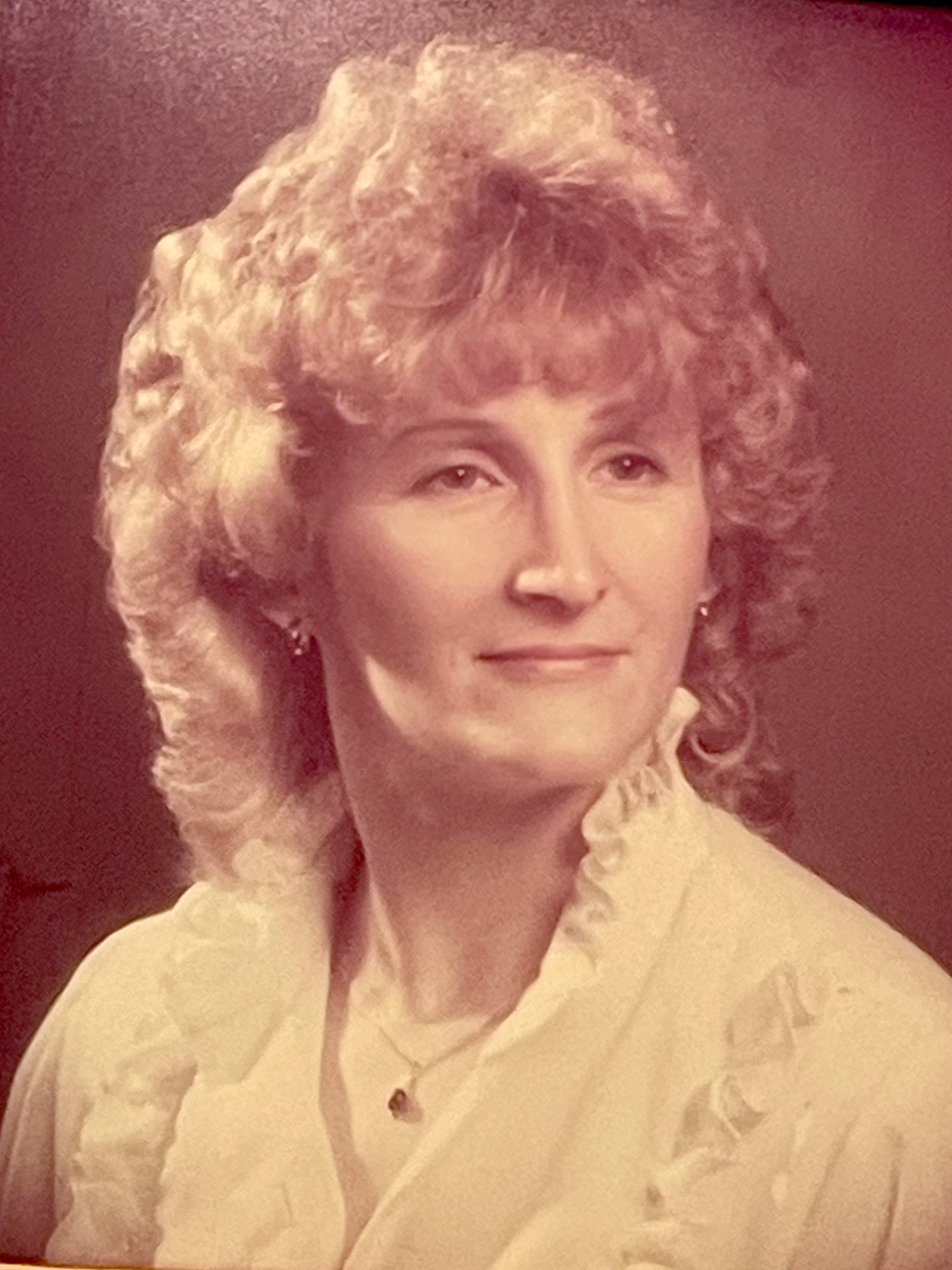
Lillie found her way into journalism thanks to a 35-millimeter camera. Years before, a serviceman passing through Mount Vernon ran out of food and money. Her father gave him a meal and some cash, keeping the man’s camera until he could pay him back. The man never returned. As Lillie got older, her father let her use the camera. She started taking photos at school, and some made it into the yearbook. Her interest in developing film led her to meet Tish and Jim Bass, who owned the Mount Vernon Optic-Herald. Tish worked in the newspaper’s darkroom and invited Lillie to watch. That was her first look into how a newspaper was made.
After graduating in 1972, Lillie got married and spent a few years away from Mount Vernon. She came back when her father’s cancer got worse, helping out at the café and taking her parents to medical appointments. After her father passed away and the restaurant was sold, a receptionist at the Optic-Herald suggested she apply for a part-time job. “She said, ‘Can you type?’ I said, ‘Yeah, I could be better, but I can type,’” Lillie remembered. She did well enough on the test and got the job. Soon, 'part-time' became a joke, since she was working about 60 hours a week.
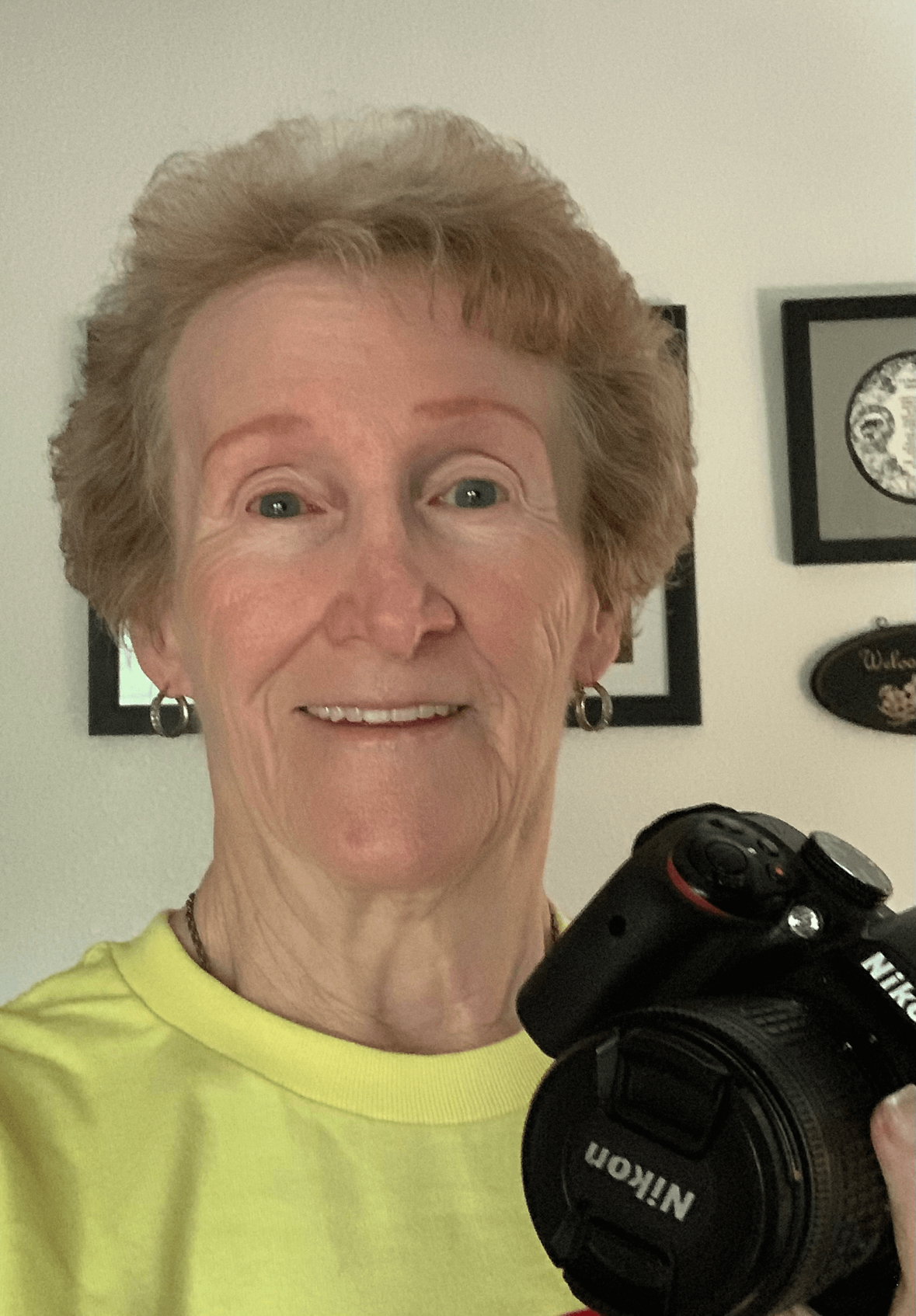
Lillie learned typesetting, advertising production, and page layout. Back then, newspaper pages were put together by hand. Stories and ads were printed, coated with wax, cut out, and arranged on each page. She kept building her skills by taking college classes and training at the Nikon School of Photography. Soon, she was helping with almost every part of the newspaper's production. She started doing news photography after another photographer got hurt at a football game. Lillie filled in and later learned how to work in the darkroom. Some Sundays, she spent nearly the whole day developing film and printing photos.
Her role grew again when she started turning information sent to the newspaper into finished stories. She compiled police reports, attended meetings, and followed up with public officials for additional details. One local sheriff once called her “an aggressive little heifer,” a nickname that showed her drive. Lillie saw herself mainly as a hard-news reporter. She liked writing features when a story touched her, but she felt most comfortable gathering facts, asking direct questions, and making sure people got the information they needed.
Her experience with photography meant that law enforcement sometimes called her when they needed crime-scene photos. At one high school reunion at Walleye Park, lake patrol officers even arrived by boat to find her. Authorities had found a major drug lab and needed someone to take pictures. She left the picnic and went to work. It was just one of many times when her personal life took a back seat to her job as a community journalist.
Lillie stayed active in local journalism as ownership, leadership, and technology changed. She saw production shift from lead type, film, and hand-pasted pages to computers and online publishing. She also saw how the internet made it harder for small newspapers to keep going. When Mount Vernon lost its newspaper, the community lost more than just a printed paper. They lost a shared record of their schools, government, businesses, celebrations, and daily life. Lillie considered starting another publication and nonprofit community news, but she knew local journalism could only last if the whole community supported it.
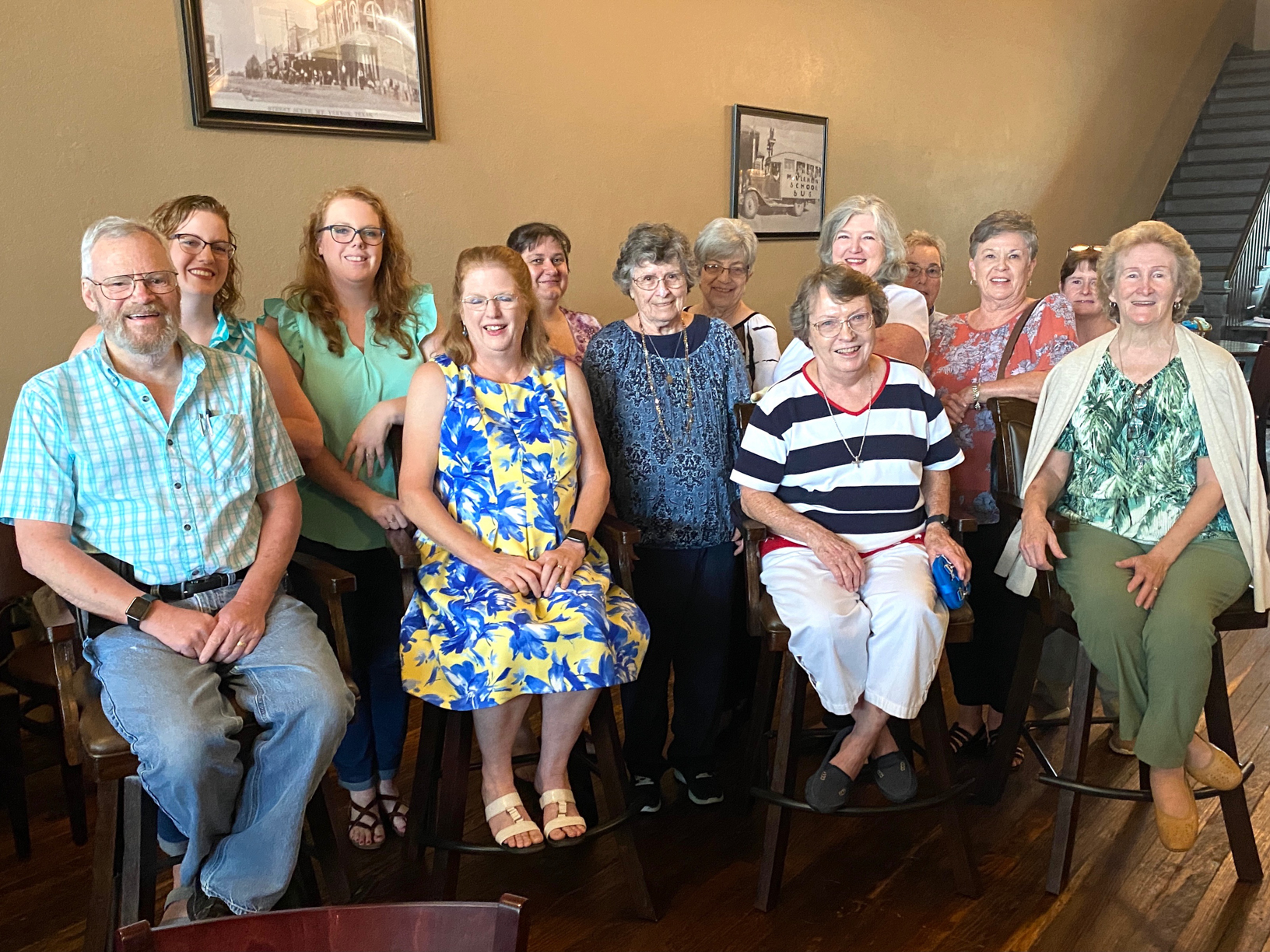
Her role on the MVNow board continues the work she started many years ago. The tools may be different now, but the goal is the same: to provide reliable information, preserve local history, and help Mount Vernon understand itself. Faith has always been important to her. She says her faith has helped her through tough times and brought her closer to others.
“We are all in this together,” she said. “We need to bear each other up as best we can to continue our road.”
Her husband, Nathan, has played a key role in her voyage. They recently celebrated 30 years of marriage, and Lillie calls him a “godsend” whose support has helped her keep serving others. Whether behind a café counter or a camera, Lillie has spent her life observing, serving, and documenting Mount Vernon. Even before MVNow, she was saving the accounts that shape the community. She’s still doing that work today.