Burn Ban in Effect. All outdoor burning is prohibited in Franklin County.



When Emily Jean Lucid opened the Franklin County Historical Association newsletter and discovered MVNow, she felt something she had not experienced since the Mount Vernon Optic-Herald ceased publication.
“I felt like I had an opportunity to go home again,” she said.
Although she has spent most of her life away from Franklin County, Mount Vernon has never stopped being one of her hometowns. Emily lived in Mount Vernon from 1948 to 1955, between the ages of four and eleven, before her family moved to Galveston. Yet when people ask where she is from, she still answers without hesitation.
“I’m from this little town in northeast Texas,” she said.
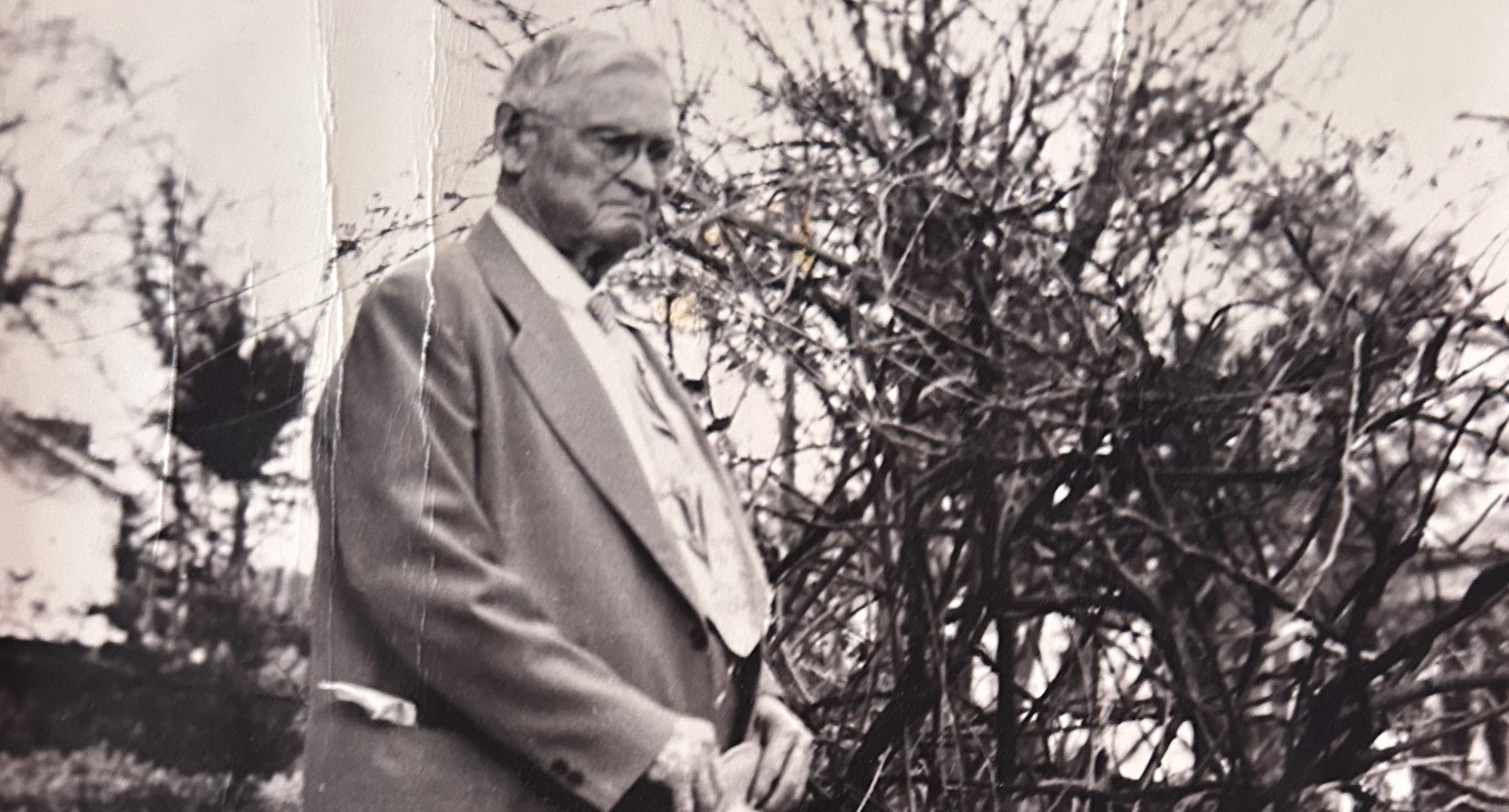
That lifelong connection reaches back generations through one of Mount Vernon’s most respected early physicians, her great-grandfather, Dr. James M. Fleming.
Emily smiles when talking about him, not simply because he was family, but because his story deserves to be remembered. Throughout our conversation, she repeatedly returned to Dr. Fleming’s life and legacy, promising to search through family files, photographs, and newspaper clippings so his story could be shared accurately with a new generation.
Dr. Fleming came to Mount Vernon in January 1884 after completing his medical education at Vanderbilt University. According to a 1939 newspaper profile, he had originally intended to remain only briefly before moving elsewhere. Instead, Mount Vernon became his life’s work, and for nearly seven decades, he cared for generations of Franklin County families.
Born on May 1, 1858, Dr. Fleming decided at the age of twenty that he wanted to become a physician. His path took him through studies in Titus County and Tulane University, and ultimately to Vanderbilt University’s School of Medicine, before he returned to northeast Texas to begin practicing medicine.
Emily has often found it remarkable that such a small town supported several physicians during those early years. Yet Dr. Fleming rapidly established himself not only as a doctor but as one of Franklin County’s civic leaders. Over the years, he became deeply involved in community affairs, served as a mainstay of the First Methodist Church, and held leadership positions in several area banks.
“At one time,” Emily recalled, “he was the president of three banks.”
Historical accounts indicate he served for decades as president of the First National Bank of Mount Vernon and also led banks in Como, Winfield, and Sulphur Bluff during various periods of his career.
Long before paved highways and modern hospitals became common, Dr. Fleming was what many affectionately called a true “horse and buggy doctor.” He traveled the countryside making house calls, delivering babies, treating injuries, and caring for families wherever they lived. The work often required long rides over rough roads, and many of his patients could not easily travel to town.
His career also coincided with one of the most transformative periods in medical history.
Emily treasures a historic photograph showing Dr. Fleming and fellow physician Dr. Fuquay performing surgery. What captures her attention isn’t only the operation itself but the details surrounding it.
The surgeons are standing beside the patient without surgical gloves, and a modest bowl of water sits nearby.
“Surgical gloves,” she noted, “hadn’t even been invented yet.”
That single photograph acts as a reminder of how dramatically medicine changed during Dr. Fleming’s lifetime. He practiced during an era marked by remarkable advances in surgery, anesthesia, and sanitation, while continuing to adapt throughout his career.
Newspaper accounts from the time credit Dr. Fleming with performing what was believed to be Texas’s first successful Cesarean delivery. The operation took place not in a modern operating room, but on the kitchen table of a South Franklin County home. Both the mother and baby survived.
More than a decade later, when interviewed as a 94-year-old physician attending the annual Texas Medical Association meeting in Dallas, Dr. Fleming still vividly remembered that operation.
He recalled using chloroform during the procedure and explained that several local women assisted as nurses. By then, he estimated he had spent seventy years delivering babies but admitted he had long since lost count of how many children he had helped bring into the world.
Despite spending much of his life in rural northeast Texas, Dr. Fleming maintained an unusually broad view of medicine. He regularly traveled to observe hospitals in other cities and countries, believing physicians should continue learning throughout their careers.
Historical accounts describe his travels through Mexico, Egypt, Central America, South America, Europe, Australia, China, India, Burma, and other parts of the world. At age 68, he even left Mount Vernon to make an extended trip around the globe, working in hospitals and studying medical practices abroad.
Although medicine evolved around him, Dr. Fleming never lost the practical wisdom that had directed his work from the beginning.
In his 1952 interview, he observed that many of the people he visited were not seriously ill. Rather, they simply believed something was wrong. Looking back over decades of practice, he estimated that more than sixty percent of his calls involved reassuring worried patients as much as treating disease.
Even at ninety-four, retirement held little appeal.
When asked about the secret to his long life, he pointed to a lifetime free from alcohol, tobacco, and narcotics. Then, with characteristic determination, he said that he had no plans to retire anytime soon.
His impact stretched well beyond his own lifetime.
Emily’s grandmother, Faith Fleming Williams, continued living in Mount Vernon until late in her life, and Emily’s father, Dr. Henry Stanford, also practiced medicine in Mount Vernon until 1955. For many longtime residents, the Fleming name became synonymous with generations of medical service to Franklin County.
One family story has always remained especially meaningful to Emily. During the late 1940s, Dr. Fleming was believed to be the oldest living graduate of Vanderbilt Medical School. According to family tradition, the university planned to recognize him at commencement ceremonies, but he declined the invitation because he was convinced that if he boarded an airplane, he would not survive the flight.
Emily laughs as she tells the story, imagining the kind determination that must have characterized the man who spent a lifetime caring for others.
While much of our conversation wandered through childhood memories of football games, afternoons at the Joy Theater, and treasured friendship with Judy Meek, Emily continually found herself returning to her great-grandfather’s story.
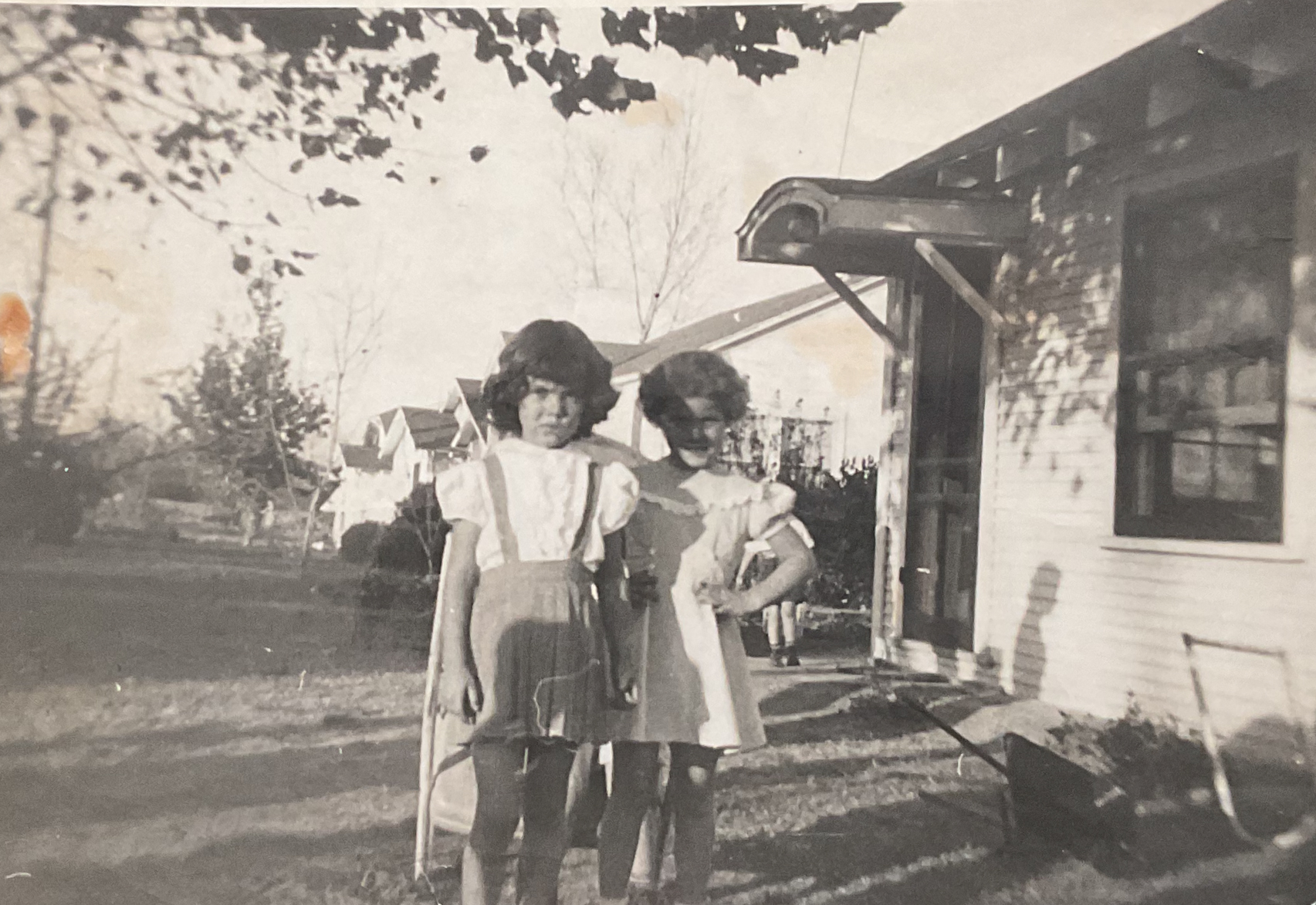
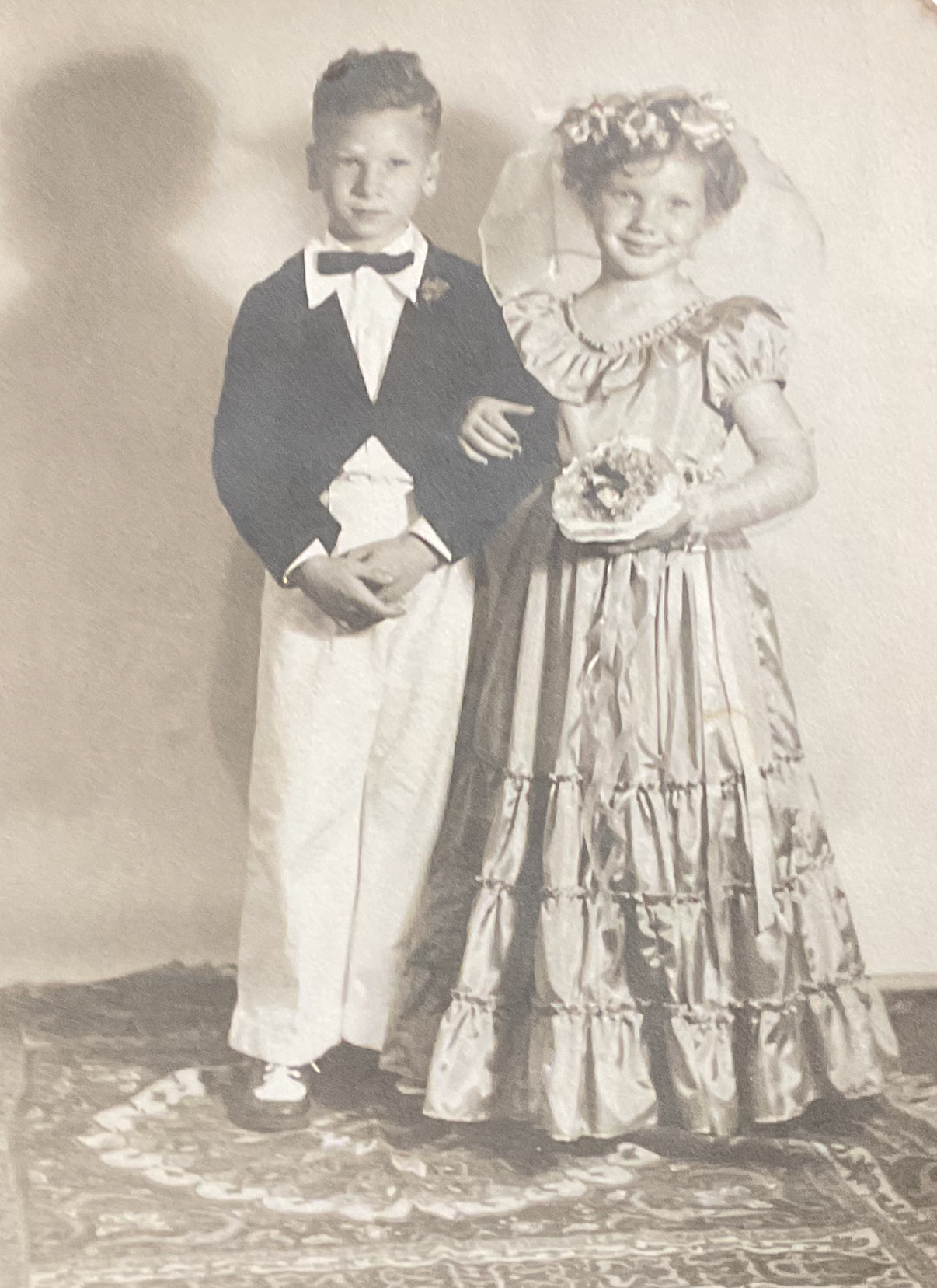
She hopes those stories will continue to be remembered, not only because they belong to her family, but because they belong to Mount Vernon.
For Emily, discovering MVNow has reopened a connection she feared had been lost when the local newspaper disappeared. It has become another thread tying her back to the community where her earliest memories were formed and where generations of her family created a lasting mark.
“I was so excited,” she said. “I just couldn’t believe it. I felt like I had an opportunity to go home again.”
Editor’s Note: Historical information in this article was supplemented by period newspaper clippings and family materials provided by Emily Jean Lucid, in addition to her interview with MVNow.